

Floating Wind: Unlocking the Power of Offshore Renewable Energy
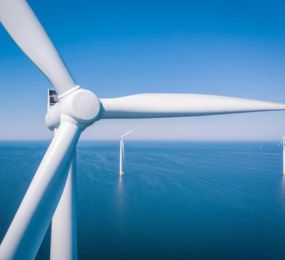
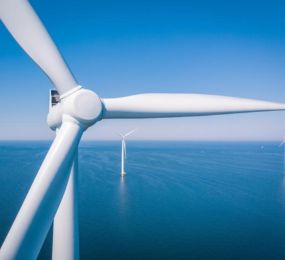
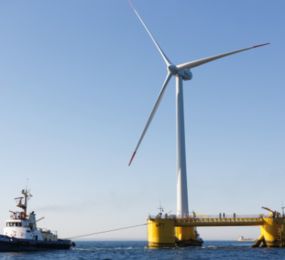
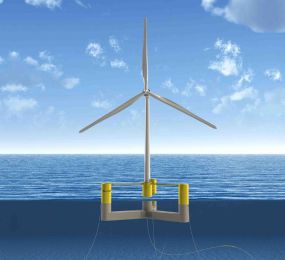
The global energy transition is accelerating, and as nations push toward net-zero targets, floating wind energy is emerging as one of the most promising innovations in the renewable landscape. Unlike traditional offshore wind turbines that require fixed foundations, floating wind platforms are anchored to the seabed with mooring systems, allowing turbines to harness stronger and more consistent winds found in deeper waters.
Expanding the Boundaries of Wind Energy
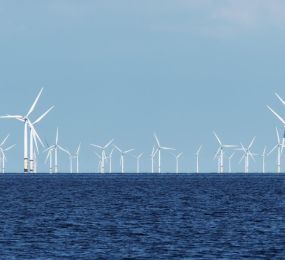
Traditional offshore wind farms have been limited to shallow waters, typically less than 60 meters deep. This geographical restriction has excluded vast areas of the ocean with high wind potential. Floating wind technology changes that. By enabling turbines to operate in waters up to 1,000 meters deep, it opens access to regions previously considered unsuitable for wind energy development.
Countries such as Norway, the United Kingdom, Japan, and Portugal are already leading the charge, testing large-scale floating wind projects that demonstrate both the feasibility and economic potential of this technology. These efforts mark a significant step toward global energy diversification and security.
The Advantages of Floating Wind
The benefits of floating wind go beyond geography. Deeper waters often have stronger and steadier winds, meaning higher energy yields and greater reliability. Additionally, floating wind turbines can be assembled onshore and towed to their offshore locations, reducing installation time and minimizing environmental disruption to marine habitats.
From a social and economic perspective, floating wind projects have the potential to create jobs in engineering, manufacturing, and marine operations while contributing to coastal community development. They also complement other renewable sources, ensuring a more stable and diversified energy mix.
Overcoming the Challenges
Despite its promise, floating wind remains in its early stages of commercialization. The cost of materials, complex engineering requirements, and the need for specialized vessels still pose challenges to large-scale deployment. However, as technology advances and economies of scale improve, these costs are expected to decrease
significantly much like the trajectory experienced by traditional offshore wind over the past decade.
Collaboration between governments, investors, and research institutions will be key in building the infrastructure and financial mechanisms required to support widespread adoption. Policy frameworks and supportive market incentives will also play a vital role in accelerating the transition.
Looking Ahead
Floating wind represents more than an energy solution, it’s a symbol of innovation, resilience, and adaptability. It offers nations the opportunity to tap into untapped wind resources, expand renewable energy access, and move closer to a sustainable, low-carbon future.
Takeaway Point: Floating wind technology is redefining the limits of renewable energy. By extending clean power generation into deeper seas, it stands as a cornerstone of the global shift toward sustainable and resilient energy systems.
Learn more on our website: https://www.leadventgrp.com/event/6th-annual-floating-wind-europe/register
For more information and group participation, contact us: [email protected]
Leadvent Group - Industry Leading Events for Business Leaders!
www.leadventgrp.com | [email protected]








Comment