

The Future of EV Charging Infrastructure in Urban and Rural Areas
The rapid adoption of electric vehicles (EVs) is fundamentally reliant on a pervasive and reliable charging infrastructure. The future of this system must address two vastly different environments: high-density urban centers and widely dispersed rural regions. The goal isn't merely to increase the number of chargers, but to integrate intelligent, context-specific solutions that ensure accessibility and prevent crippling strain on the electrical grid across the nation.
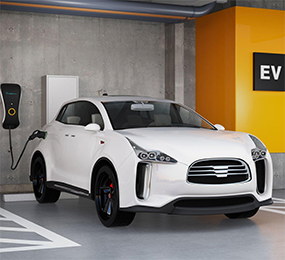
Urban areas face the immediate challenge of space scarcity and immense, concentrated power demand. Future infrastructure will prioritize ultra-fast DC charging hubs located near major transit points and repurposed parking structures to minimize charging times. To utilize limited curb space efficiently, solutions are increasingly integrating Level 2 chargers into existing lampposts and optimizing building electrical systems for daytime charging. Crucially, urban deployment will rely heavily on smart grid technology and V2G (Vehicle-to-Grid) capabilities. This approach allows energy providers to dynamically manage the immense concentrated load and use parked EVs as temporary power buffers during peak hours, transforming city infrastructure into a dense, bi-directional energy network.
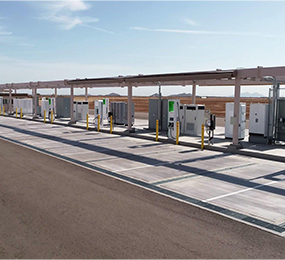
Rural deployment, conversely, emphasizes range security and grid resilience over maximum speed. Given the vast distances, the focus shifts to strategic placement along interstates and key destinations, primarily using dependable Level 2 AC chargers for overnight or long-duration charging. Since rural grids are often less robust and isolated, future stations will frequently integrate local Battery Energy Storage Systems (BESS). These batteries charge slowly off the main line and then deliver a quick burst of power for charging, significantly reducing peak stress on fragile infrastructure. Public-private collaborations will be essential to subsidize remote installations, guaranteeing that range anxiety doesn't impede the adoption of EVs in less populated areas.
The future charging landscape will be a mosaic of adaptive technologies. Urban centers will prioritize speed and load balancing via smart grids. Rural regions will focus on reliability and energy independence through BESS integration. Success hinges on intelligent planning that addresses the unique logistical and electrical constraints of both environments, ensuring an equitable transition to electric mobility for all.
Visit our website to know more: https://www.leadventgrp.com/events/4th-annual-ev-charging-infrastructure-forum/details
For more information and group participation, contact us: [email protected]
Leadvent Group - Industry Leading Events for Business Leaders!








Comment