

How E-Fuels Are Produced from Renewable Electricity
As industries worldwide seek practical solutions to reduce carbon emissions, e-fuels are gaining attention as a promising alternative to conventional fossil fuels. Also known as synthetic fuels, e-fuels offer a pathway to decarbonize sectors where direct electrification remains difficult, such as aviation, shipping, and heavy industry. What makes e-fuels particularly attractive is that they can be produced using renewable electricity, helping create a cleaner and more sustainable energy system.
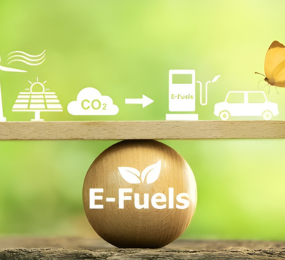
The production of e-fuels begins with renewable energy sources such as solar, wind, or hydropower. Unlike traditional fuel production, which relies on extracting and refining fossil resources, e-fuel production uses clean electricity as the primary energy input. This allows the process to generate fuels with significantly lower lifecycle emissions when compared to conventional petroleum-based products.
The first step in producing e-fuels is the generation of green hydrogen. This is achieved through a process known as electrolysis. During electrolysis, renewable electricity is used to split water into its two basic elements: hydrogen and oxygen. The hydrogen produced is known as green hydrogen because it is generated using renewable energy rather than fossil fuels.
Green hydrogen serves as the foundation of the e-fuel production process. However, hydrogen alone is not always suitable for applications such as long-distance aviation or maritime transport. To create liquid fuels that can be stored, transported, and used in existing engines, hydrogen must be combined with carbon dioxide.
The next stage involves capturing carbon dioxide from industrial facilities or directly from the atmosphere using advanced carbon capture technologies. This captured carbon becomes a valuable resource rather than a waste product. By reusing carbon that is already present in the environment, the process supports a more circular approach to fuel production.
Once hydrogen and carbon dioxide are available, they are combined through a series of chemical reactions to create synthetic hydrocarbons. Depending on the production pathway, the resulting fuels can include e-kerosene for aviation, e-methanol for shipping, e-diesel for heavy transport, and other synthetic fuel products suitable for industrial applications.
The final fuel can often be used within existing infrastructure, including storage facilities, pipelines, fueling stations, and combustion engines. This compatibility is one of the major advantages of e-fuels, as it allows industries to reduce emissions without completely replacing current equipment or transportation systems.
The aviation sector is expected to be one of the largest users of e-fuels in the coming years. Commercial aircraft require energy-dense fuels capable of supporting long-haul flights, making synthetic aviation fuels an important tool for reducing carbon emissions in air travel.
Similarly, the maritime industry is exploring e-fuels as part of broader decarbonization strategies. Shipping companies are increasingly investing in low-carbon fuel alternatives to meet sustainability targets and comply with evolving environmental regulations.
Despite their potential, e-fuels face challenges related to production costs and energy requirements. Producing synthetic fuels requires large amounts of renewable electricity, making access to affordable clean energy essential for scaling the industry. Continued investment in renewable energy infrastructure and technological innovation will be critical to improving efficiency and reducing costs.
Governments, energy companies, and investors are increasingly supporting e-fuel projects as part of wider climate and energy transition strategies. As renewable energy capacity continues to expand, e-fuels are expected to play an increasingly important role in helping industries reduce emissions while maintaining operational flexibility.
E-fuels demonstrate how renewable electricity can be transformed into practical energy solutions for sectors that are difficult to decarbonize. By combining clean power, green hydrogen, and captured carbon dioxide, they offer a promising pathway toward a more sustainable and resilient energy future.
Takeaway Point:
E-fuels are produced by using renewable electricity to create green hydrogen, which is then combined with captured carbon dioxide to produce low-carbon synthetic fuels for aviation, shipping, and other hard-to-electrify industries.













Comment