

Industrial Net Zero and Decarbonisation in Europe
Europe is leading the global transition toward industrial decarbonisation, with ambitious climate policies driving investment in cleaner technologies and sustainable manufacturing. As industries face increasing pressure to reduce greenhouse gas emissions, achieving net zero has become a strategic priority for manufacturers, policymakers, investors, and technology providers alike.
Heavy industries—including steel, cement, chemicals, refining, aluminium, pulp and paper, and manufacturing—account for a significant share of Europe's carbon emissions. Decarbonising these sectors is essential for meeting the European Union's climate objectives while maintaining industrial competitiveness in a rapidly evolving global economy.
Europe's Net Zero Vision
The European Union has committed to becoming climate-neutral by 2050, with intermediate emissions reduction targets designed to accelerate progress throughout this decade. Achieving these goals requires a fundamental transformation of industrial production, energy systems, and supply chains.
Industrial decarbonisation is no longer viewed solely as an environmental responsibility. It has become a driver of innovation, energy security, competitiveness, and long-term economic resilience. Companies that invest early in low-carbon technologies are better positioned to meet future regulations, attract sustainable investment, and respond to changing customer expectations.
Electrification of Industrial Processes
Electrification is one of the most effective strategies for reducing industrial emissions. Manufacturers are replacing fossil-fuel-powered equipment with electric technologies powered by renewable energy.
Industrial heat pumps, electric boilers, electric arc furnaces, and advanced electric manufacturing systems are helping reduce emissions while improving energy efficiency. As renewable electricity becomes more widely available, electrification is expected to play an even greater role across European industry.
Green Hydrogen for Heavy Industry
Some industrial processes require extremely high temperatures or chemical feedstocks that cannot easily be electrified. In these cases, green hydrogen is emerging as a key decarbonisation solution.
Hydrogen produced through electrolysis using renewable electricity can replace fossil fuels in sectors such as steel production, chemicals, refining, and fertilizer manufacturing. Large-scale hydrogen projects are being developed across Europe to support industrial transformation and strengthen regional energy security.
Carbon Capture, Utilisation and Storage (CCUS)
For industries where process emissions cannot be fully eliminated, Carbon Capture, Utilisation and Storage (CCUS) is becoming increasingly important.
CCUS technologies capture carbon dioxide before it enters the atmosphere and either store it safely underground or use it in industrial applications. Cement, lime, chemicals, and waste-to-energy facilities are among the sectors expected to benefit significantly from commercial-scale carbon capture deployment.
Growing investment in carbon transport and storage infrastructure is helping establish regional CCUS hubs that can serve multiple industrial facilities.
Renewable Energy Integration
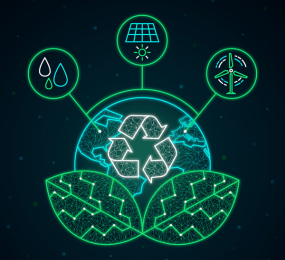
Renewable electricity is becoming the foundation of industrial decarbonisation across Europe. Companies are investing in on-site solar installations, wind power, battery storage, and long-term Power Purchase Agreements (PPAs) to secure reliable, low-carbon electricity.
These investments reduce dependence on fossil fuels while improving cost stability and supporting emissions reduction targets.
Digital Technologies Driving Efficiency
Digital transformation is accelerating industrial sustainability efforts. Artificial intelligence, digital twins, industrial Internet of Things (IoT) platforms, and predictive analytics are enabling manufacturers to monitor energy use in real time, optimise production processes, and identify opportunities for emissions reductions.
Data-driven decision-making improves operational efficiency while lowering both energy consumption and production costs.
Sustainable Supply Chains
Industrial emissions extend beyond factory operations. Companies are increasingly addressing emissions throughout their supply chains by sourcing lower-carbon raw materials, improving transportation efficiency, engaging suppliers on sustainability initiatives, and reducing waste.
Supply chain transparency and Scope 3 emissions management are becoming essential components of corporate decarbonisation strategies.
Investment and Policy Support
Europe's industrial transition is supported by a combination of public funding, private investment, carbon pricing, and regulatory frameworks.
Financial incentives, innovation funds, green financing mechanisms, and industrial partnerships are helping accelerate the deployment of clean technologies. At the same time, evolving regulations are encouraging companies to invest in emissions reduction and sustainable production.
These policy measures provide greater certainty for businesses planning long-term decarbonisation investments.
Challenges and Opportunities
Industrial decarbonisation requires substantial investment, technological innovation, workforce development, and infrastructure expansion. Rising energy demand, grid modernization, hydrogen availability, and carbon transport networks remain important challenges.
However, the opportunities are equally significant. Companies that embrace low-carbon manufacturing can strengthen competitiveness, improve operational efficiency, reduce regulatory risks, attract sustainable investment, and meet growing customer demand for environmentally responsible products.
Looking Ahead
Europe's industrial sector is entering a new era where sustainability and competitiveness go hand in hand. Net-zero manufacturing is no longer a distant aspiration but an ongoing transformation supported by technological innovation, collaborative partnerships, and ambitious climate policy.
As clean technologies continue to mature and investment increases, industrial decarbonisation will become a defining feature of Europe's economic future. Organizations that lead this transition will be better positioned to thrive in a global economy increasingly shaped by sustainability.
Takeaway Point
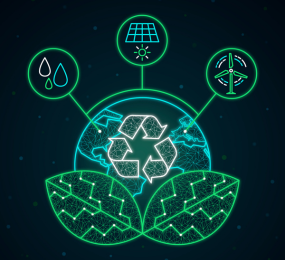
Industrial net zero in Europe is being driven by electrification, renewable energy, green hydrogen, carbon capture, digital innovation, and sustainable supply chains. Together, these strategies are helping industries reduce emissions, strengthen competitiveness, and support Europe's transition to a climate-neutral economy.
Learn more on our website: https://www.leadventgrp.com/event/industrial-net-zero-and-decarbonisation-europe/register
For more information and group participation, contact us: [email protected]
Leadvent Group - Industry Leading Events for Business Leaders!
www.leadventgrp.com | [email protected]








Comment