

E-Fuels: Powering the Future of Low-Carbon Transport and Industry
As countries and industries work toward ambitious climate goals, the demand for cleaner alternatives to conventional fossil fuels is growing rapidly. While electrification is transforming passenger vehicles and some industrial processes, sectors such as aviation, shipping, and heavy industry require energy-dense fuels that batteries cannot yet provide at scale. This has placed e-fuels, also known as electro-fuels or synthetic fuels, at the forefront of the global energy transition.
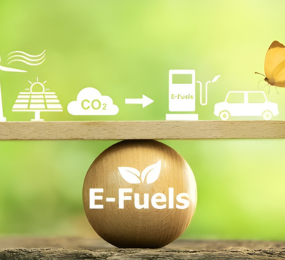
Produced using renewable electricity, green hydrogen, and captured carbon dioxide, e-fuels offer a low-carbon alternative that can be used in existing engines and fuel infrastructure. Their compatibility with current transport systems makes them an attractive option for reducing emissions in sectors that are difficult to electrify.
What Are E-Fuels?
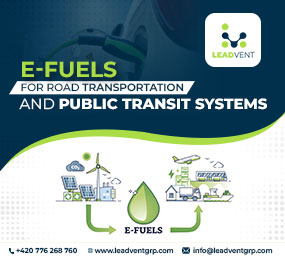
E-fuels are synthetic fuels created using renewable electricity rather than fossil resources. The production process begins with electrolysis, where electricity generated from renewable sources such as wind or solar power is used to split water into hydrogen and oxygen.
The green hydrogen is then combined with captured carbon dioxide through chemical synthesis processes to produce liquid or gaseous fuels. Depending on the production pathway, the resulting products can include:
- E-kerosene for sustainable aviation fuel (SAF)
- E-methanol for shipping and industrial applications
- E-ammonia for maritime transport and power generation
- E-diesel for heavy-duty transport and industrial equipment
- E-methane for sectors that rely on natural gas infrastructure
Because the carbon dioxide used in production is captured from industrial sources or directly from the atmosphere, e-fuels can significantly reduce lifecycle greenhouse gas emissions when produced with renewable electricity.
Why E-Fuels Matter
One of the greatest advantages of e-fuels is their ability to decarbonize sectors where direct electrification remains technically or economically challenging.
The aviation industry, for example, requires fuels with high energy density to support long-haul flights. Similarly, large ocean-going vessels need fuels capable of powering long-distance voyages without frequent refuelling. Heavy industrial equipment and certain manufacturing processes also rely on liquid or gaseous fuels that are difficult to replace with batteries.
E-fuels provide a practical solution because they can often be blended with conventional fuels or used in existing engines with limited modifications, reducing the need for entirely new infrastructure.
Key Applications
Sustainable Aviation
E-kerosene is emerging as an important component of sustainable aviation fuel (SAF). It enables airlines to reduce lifecycle emissions while using existing aircraft and airport fuel infrastructure.
Maritime Transport
The shipping industry is exploring e-methanol and e-ammonia as cleaner alternatives to heavy fuel oil. These fuels can help shipowners meet tightening emissions regulations and support long-term decarbonization.
Heavy Industry
Industries requiring high-temperature heat or chemical feedstocks can use e-fuels to reduce reliance on fossil fuels while maintaining operational performance.
Energy Storage
E-fuels also provide a means of storing renewable energy. Excess electricity generated during periods of high wind or solar production can be converted into synthetic fuels for later use, helping improve energy system flexibility.
Benefits of E-Fuels
E-fuels offer several important advantages:
- Lower lifecycle greenhouse gas emissions when produced using renewable electricity.
- Compatibility with existing transport and fuel distribution infrastructure.
- High energy density suitable for long-distance transport.
- Support for renewable energy integration through energy storage.
- Reduced dependence on fossil fuel imports and improved energy security.
These characteristics make e-fuels an important complement to electrification rather than a replacement for it.
Challenges to Commercialization
Despite their potential, several challenges must be addressed before e-fuels achieve widespread adoption.
Production remains energy-intensive, requiring significant amounts of renewable electricity. This contributes to higher production costs compared with conventional fuels.
Scaling production will require substantial investment in renewable power generation, electrolyzes, carbon capture technologies, and fuel synthesis facilities. Expanding supply chains and improving manufacturing efficiency will be critical to reducing costs.
Regulatory certainty is equally important. Policies supporting sustainable fuel production, carbon pricing, and emissions reduction targets are helping create market demand and encourage private investment.
The Future of E-Fuels
Growing climate commitments and stricter environmental regulations are expected to accelerate investment in e-fuels over the coming years. Governments, energy companies, airlines, shipping operators, and industrial manufacturers are increasingly collaborating to develop commercial-scale production facilities and supporting infrastructure.
Although e-fuels are unlikely to replace all conventional fuels, they are expected to play a vital role in sectors where electrification alone cannot achieve deep emissions reductions.
As renewable electricity becomes more abundant and production technologies continue to improve, e-fuels are likely to become more competitive and accessible. Their ability to leverage existing infrastructure while reducing carbon emissions positions them as an important component of the global transition to a low-carbon economy.
Takeaway Point
E-fuels are synthetic fuels produced using renewable electricity, green hydrogen, and captured carbon dioxide. They offer a practical pathway to decarbonize aviation, shipping, and heavy industry by providing low-carbon fuels that can be used with existing engines and infrastructure, supporting the journey toward net-zero emissions.
Learn more on our website: https://www.leadventgrp.com/event/3rd-annual-world-e-fuels-summit/register
For more information and group participation, contact us: [email protected]
Leadvent Group - Industry Leading Events for Business Leaders!
www.leadventgrp.com | [email protected]











Comment