

Agrivoltaics: Integrating Solar Energy and Agriculture for a Sustainable Future
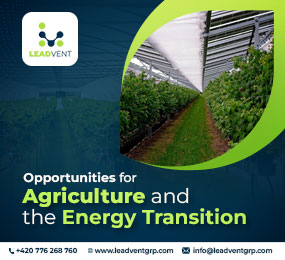
As the world seeks solutions to meet rising energy demands while protecting agricultural land, agrivoltaics is emerging as one of the most innovative approaches to sustainable development. By combining solar energy generation with agricultural production on the same land, agrivoltaics offers a practical way to address two global priorities—food security and clean energy.
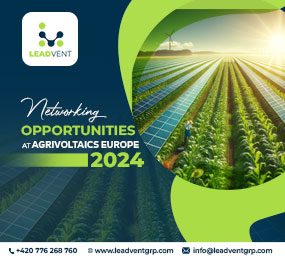
Traditionally, land has often been viewed as competing space for farming or renewable energy projects. Agrivoltaics changes this perspective by allowing both activities to coexist. Carefully designed solar installations enable crops, livestock, or pollinator habitats to thrive beneath or alongside photovoltaic (PV) panels, maximizing the productivity of each hectare.
What Is Agrivoltaics?
Agrivoltaics, also known as agri-PV or dual-use solar farming, is the practice of integrating solar photovoltaic systems into active agricultural operations. Unlike conventional solar farms that occupy land exclusively for electricity generation, agrivoltaic systems are designed to support continued farming activities.
Solar panels may be mounted higher above the ground, arranged in wider rows, or installed on adjustable tracking systems to ensure sufficient sunlight reaches crops while generating renewable electricity.
The approach can be adapted to different farming systems, including crop cultivation, livestock grazing, orchards, vineyards, and horticultural production.
Why Agrivoltaics Matters
Agriculture and renewable energy are both essential to achieving global sustainability goals. However, expanding solar energy infrastructure has raised concerns about the conversion of productive farmland.
Agrivoltaics offers a solution by increasing land-use efficiency. Instead of choosing between food production and clean energy, farmers can produce both simultaneously.
This dual-use model is particularly valuable in regions experiencing population growth, urban expansion, and increasing demand for renewable electricity.
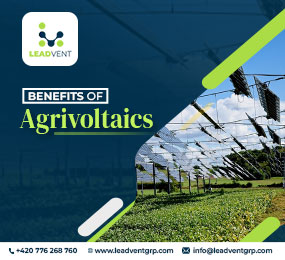
Benefits of Agrivoltaics
Improved Land Productivity
Agrivoltaic systems enable a single area of land to generate both agricultural products and electricity. This increases the overall value and productivity of farmland without requiring additional land resources.
Additional Farm Income
Electricity generated by solar panels can provide farmers with an additional and more stable source of revenue. Income from energy production can help offset fluctuations in crop prices and improve the long-term financial resilience of farming operations.
Better Water Management
Solar panels provide partial shade that can reduce soil moisture evaporation and lower crop water requirements. In regions affected by drought or high temperatures, this can improve water-use efficiency and support more resilient agricultural production.
Enhanced Crop Protection
Certain crops benefit from moderated sunlight and lower temperatures created by solar panel shading. This protection can reduce heat stress, improve crop quality, and minimize damage during periods of extreme weather.
Lower Carbon Emissions
By generating renewable electricity, agrivoltaic systems help reduce reliance on fossil fuels while supporting national and corporate decarbonisation objectives.
Applications Across Agriculture
Agrivoltaics can be adapted to a wide range of agricultural activities.
In vineyards and orchards, elevated solar panels can help protect fruit from excessive heat while producing electricity.
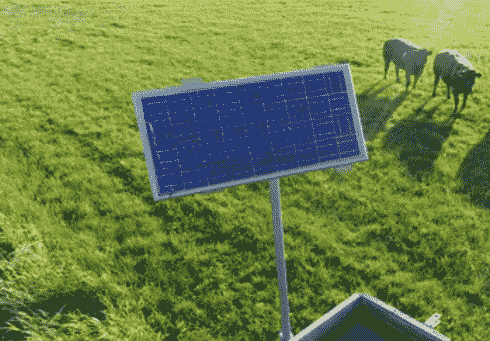
Livestock farmers can install solar panels above grazing areas, providing shade for animals while maintaining pasture production.
Vegetable producers can use carefully spaced panels to create favorable growing conditions for crops that perform well under partial shading.
Pollinator-friendly agrivoltaic sites are also becoming increasingly popular, supporting biodiversity alongside renewable energy generation.
Challenges to Adoption
Despite its potential, agrivoltaics requires careful planning and design. Crop selection, solar panel spacing, system height, local climate, and farming practices all influence project success.
Initial investment costs can be higher than conventional solar installations because of specialized mounting structures and engineering requirements. However, the combination of agricultural income and electricity generation can improve long-term economic returns.
Clear regulatory frameworks and supportive government policies are also important to encourage wider adoption.
Future Outlook
Interest in agrivoltaics is growing rapidly across Europe, North America, Asia, and Africa as governments seek innovative ways to balance food production with renewable energy expansion.
Advances in solar technology, smart farming systems, and precision agriculture are making agrivoltaic projects increasingly efficient and commercially attractive.
Research continues to demonstrate that, when properly designed, agrivoltaic systems can improve overall land productivity while supporting environmental sustainability.
As climate change places greater pressure on agriculture and energy systems, agrivoltaics is expected to become an increasingly important component of the global clean energy transition.
Conclusion
Agrivoltaics represents a new way of thinking about land use. Rather than competing for space, agriculture and renewable energy can work together to deliver environmental, economic, and social benefits.
By combining food production with clean electricity generation, agrivoltaics helps farmers diversify income, improve resilience to climate change, and contribute to a more sustainable future. As investment and innovation continue to grow, this dual-use approach is likely to play a significant role in shaping the future of agriculture and renewable energy worldwide.
Takeaway Point
Agrivoltaics combines solar power generation with active farming, allowing land to produce both food and renewable energy. This innovative approach improves land-use efficiency, strengthens farm resilience, supports climate-smart agriculture, and contributes to global decarbonisation efforts.
Learn more on our website: https://www.leadventgrp.com/event/5th-annual-agrivoltaics-europe/register
For more information and group participation, contact us: [email protected]
Leadvent Group - Industry Leading Events for Business Leaders!




Comment