

Industrial Net Zero and Decarbonization in Europe: Driving the Future of Sustainable Manufacturing
Europe is at the forefront of the global effort to build a low-carbon economy, and industrial decarbonization is central to that ambition. Energy-intensive sectors such as steel, cement, chemicals, refining, and manufacturing are under increasing pressure to reduce greenhouse gas emissions while remaining competitive in an evolving global market. Achieving industrial net zero is no longer simply an environmental objective—it has become a business imperative that supports innovation, resilience, and long-term growth.
The European Union's commitment to climate neutrality by 2050 has accelerated investment in cleaner technologies, renewable energy, and sustainable industrial practices. Businesses are responding by modernizing operations, improving energy efficiency, and adopting solutions that reduce carbon emissions without compromising productivity.
One of the most significant changes taking place across European industry is the shift toward electrification. Manufacturers are replacing fossil fuel-powered equipment with electric alternatives powered by renewable electricity. Technologies such as electric arc furnaces, industrial heat pumps, and electric boilers are helping companies lower emissions while improving operational efficiency. As renewable power generation continues to expand, electrification will become an increasingly important driver of industrial transformation.
For industries where electrification alone is not sufficient, green hydrogen is emerging as a key decarbonization solution. Produced through electrolysis using renewable electricity, green hydrogen can replace coal and natural gas in high-temperature industrial processes. It is already being explored for steelmaking, fertilizer production, chemical manufacturing, and refining, offering a practical pathway to reduce emissions in some of Europe's most challenging sectors.
Carbon Capture, Utilisation and Storage (CCUS) is also gaining momentum. Certain industrial processes, particularly cement and lime production, generate carbon dioxide as part of their chemical reactions, making emissions difficult to eliminate entirely. CCUS technologies capture these emissions before they enter the atmosphere and either store them safely underground or convert them into useful industrial products. As regional carbon transport and storage infrastructure expands, CCUS is expected to play a greater role in achieving industrial net-zero targets.
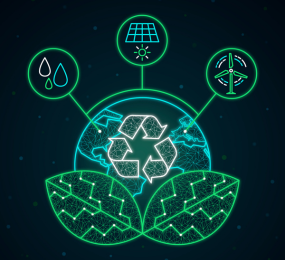
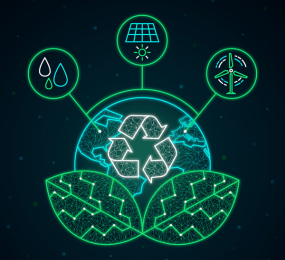
Renewable energy procurement has become another important strategy. Many industrial companies are investing in on-site solar installations, wind energy, battery storage, and long-term Power Purchase Agreements (PPAs) to secure stable, low-carbon electricity supplies. These investments help reduce exposure to energy price volatility while supporting corporate sustainability commitments.
Digital technologies are further accelerating progress. Artificial intelligence, digital twins, advanced sensors, and predictive analytics enable manufacturers to monitor energy consumption in real time, optimize production processes, and identify opportunities to reduce waste and emissions. Data-driven operations not only improve sustainability but also enhance productivity and reduce operating costs.
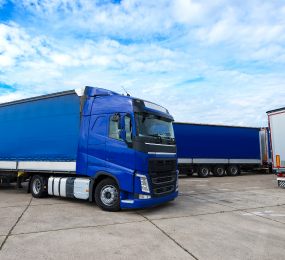
Industrial decarbonization extends beyond factory gates. Businesses are increasingly addressing emissions throughout their supply chains by working with suppliers to source lower-carbon materials, improve transportation efficiency, and increase transparency across procurement processes. Managing Scope 3 emissions is becoming a critical component of corporate climate strategies, particularly as customers and investors demand greater accountability.
Europe's transition is supported by strong policy frameworks, carbon pricing mechanisms, innovation funding, and sustainable finance initiatives. These measures encourage businesses to invest in cleaner technologies while creating greater certainty for long-term industrial planning. Public-private collaboration is also helping accelerate research, infrastructure development, and the commercialization of emerging low-carbon solutions.
While challenges remain—including high investment costs, infrastructure requirements, and the need for skilled workers—the opportunities are substantial. Companies that embrace industrial decarbonization can strengthen their competitiveness, improve energy security, attract sustainable investment, and meet growing customer demand for environmentally responsible products.
Industrial net zero is reshaping Europe's manufacturing landscape. Through innovation, collaboration, and strategic investment, European industries are demonstrating that economic growth and environmental responsibility can progress together. As technologies continue to mature and markets evolve, industrial decarbonization will remain a cornerstone of Europe's transition to a more resilient and sustainable economy.
Takeaway Point
Industrial net zero and decarbonization are transforming Europe's industrial sector through electrification, renewable energy, green hydrogen, carbon capture, digital innovation, and sustainable supply chains. Organizations that invest in these solutions today will be better positioned to improve competitiveness, meet climate targets, and thrive in tomorrow's low-carbon economy.
Learn more on our website: https://www.leadventgrp.com/event/industrial-net-zero-and-decarbonisation-europe/register
For more information and group participation, contact us: [email protected]
Leadvent Group - Industry Leading Events for Business Leaders!










Comment