

Marine Fuels and the Transition to Low-Carbon Shipping
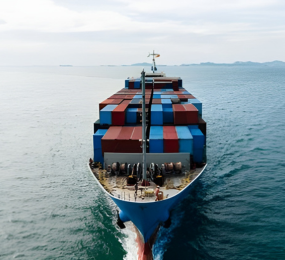
Global shipping moves close to 90 percent of the world’s traded goods. From food and fuel to manufactured products, maritime transport remains the backbone of international commerce. At the center of this system are marine fuels the energy source that keeps vessels moving across oceans and through global supply chains.
For decades, heavy fuel oil and marine gas oil have dominated the sector. These conventional fuels are valued for their availability, cost efficiency, and high energy density. However, tightening environmental regulations and growing climate commitments are reshaping the conversation around what powers the world’s fleets.
The introduction of sulfur limits by the International Maritime Organization marked a significant turning point. Shipowners were required to reduce sulfur emissions either by switching to low-sulfur fuels, installing exhaust gas cleaning systems, or adopting alternative fuel options. Since then, the focus has expanded beyond air pollutants to carbon emissions.
Today, the industry is evaluating a range of alternatives. Liquefied natural gas (LNG) has been widely adopted as a transitional fuel due to its lower sulfur and particulate emissions compared to conventional fuel oils. While LNG offers certain environmental advantages, questions remain about methane slip and its long-term alignment with decarbonization goals.
Biofuels are gaining attention as a near-term solution. Derived from renewable feedstocks, bio-based marine fuels can often be blended with existing fuels and used with limited engine modifications. This compatibility makes them attractive for operators seeking immediate reductions without extensive retrofitting.
Further ahead, green methanol and green ammonia are emerging as promising zero-carbon fuel candidates. Both can be produced using renewable electricity and sustainable feedstocks. Several new vessel orders are already designed to operate on methanol, while ammonia-powered ships are under development. These fuels present opportunities for deeper decarbonization, though they require new bunkering infrastructure, safety protocols, and supply chain coordination.
Fuel transition is not only a technical matter but also an economic one. Alternative fuels currently come at a higher cost than conventional options. Shipowners must balance regulatory compliance, investor expectations, and operational viability. Long-term fuel availability and price stability remain key considerations when making fleet investment decisions.
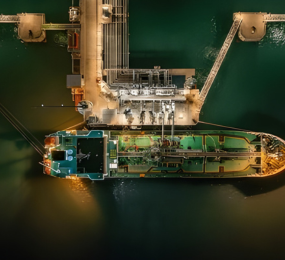
Ports and energy providers play a central role in enabling this transition. The development of bunkering infrastructure, storage facilities, and renewable fuel production hubs will determine how quickly new marine fuels can scale. Collaboration across shipping lines, fuel suppliers, classification societies, and policymakers is essential to build confidence in emerging fuel pathways.
Digitalization and fuel efficiency measures also contribute to reducing consumption. Improved voyage planning, hull optimization, and engine performance monitoring can lower fuel use regardless of the energy source. In many cases, operational efficiency remains the most immediate lever for emissions reduction.
The marine fuel landscape is evolving rapidly. While no single solution fits all vessel types or trade routes, the direction is clear: lower-carbon fuels will define the future of maritime transport. The transition will require investment, regulatory clarity, and sustained cooperation across the industry.
Key Takeaway
The future of marine fuels lies in balancing operational reliability with low-carbon innovation, as shipping moves steadily toward cleaner and more sustainable energy solutions. Learn more on our website: https://www.leadventgrp.com/event/world-sustainable-marine-fuels-forum/register For more information and group participation, contact us: [email protected]
Leadvent Group - Industry Leading Events for Business Leaders!
www.leadventgrp.com | [email protected]














Comment