

Marine Fuels: Navigating Change in Global Shipping Energy
Marine fuels are fundamental to global trade. Every day, thousands of vessels transport goods across oceans, powered by energy sources that must deliver reliability, efficiency, and long-range performance. As environmental regulations tighten and market expectations shift, the marine fuel landscape is undergoing steady transformation.
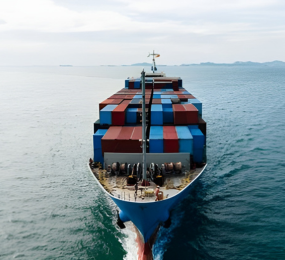
For decades, heavy fuel oil (HFO) has been the dominant fuel in international shipping. Valued for its high energy density and cost-effectiveness, it has powered large container ships, bulk carriers, and tankers across long distances. Marine gasoil (MGO) and very low sulfur fuel oil (VLSFO) later gained prominence, particularly following stricter sulfur emission standards introduced in key maritime regions. These fuels were adopted to meet regulatory requirements while maintaining operational continuity.
Regulation has become one of the most influential drivers of change. Emission limits on sulfur oxides and increasing pressure to reduce greenhouse gas output have reshaped fuel choices. Compliance is no longer optional; it is embedded in vessel design, fuel procurement strategies, and long-term fleet planning. Shipowners are balancing operational practicality with environmental responsibility.
Liquefied natural gas (LNG) emerged as a transitional alternative, offering lower sulfur emissions and reduced carbon intensity compared to conventional fuels. LNG-powered vessels have grown in number, supported by expanding bunkering infrastructure in major ports. While LNG does not eliminate emissions entirely, it has provided a pathway for compliance and operational flexibility.
Beyond LNG, attention is shifting toward fuels with deeper decarbonization potential. Biofuels derived from renewable feedstocks are being blended with conventional marine fuels to lower lifecycle emissions. Green methanol and ammonia are also under active development, with pilot vessels and newbuild orders signaling growing industry confidence. These fuels require new infrastructure, revised safety standards, and crew training, highlighting that fuel transition is as much operational as it is technical.
Cost considerations remain central. Fuel accounts for a significant share of a vessel’s operating expenses, making price stability and availability critical factors. Shipowners must evaluate not only fuel prices but also long-term supply security and compatibility with existing engine technologies. For many operators, a multi-fuel strategy offers flexibility in an evolving market.
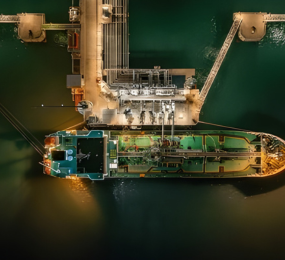
Ports and fuel suppliers play a crucial role in enabling change. Investment in bunkering infrastructure, storage facilities, and supply chains will determine how quickly alternative fuels can scale. Collaboration between shipowners, regulators, and energy providers is essential to align demand with supply development.
Marine fuels are no longer viewed solely as a commodity purchase. They are a strategic component of fleet competitiveness, regulatory compliance, and environmental positioning. The transition will take time, but momentum is building across the maritime sector.
Key Takeaway
The future of marine fuels lies in balancing regulatory compliance, operational reliability, and long-term decarbonization through a diversified and adaptable fuel strategy.
Learn more on our website: https://www.leadventgrp.com/event/world-sustainable-marine-fuels-forum/register
For more information and group participation, contact us: [email protected]
Leadvent Group - Industry Leading Events for Business Leaders!
www.leadventgrp.com | [email protected]













Comment