

Marine Fuels Ecosystem: Shaping the Future of Global Shipping
The global shipping industry sits at the heart of international trade, moving over 80 percent of the world’s goods across oceans. Yet, it is also one of the most energy-intensive sectors, heavily dependent on fossil fuels. Today, the marine fuels ecosystem is undergoing a fundamental transformation, driven by climate goals, regulatory pressure, and technological innovation.
The marine fuels ecosystem goes far beyond the fuel itself. It includes fuel producers, suppliers, ports, shipowners, technology providers, regulators, and financial institutions. Together, these players shape how energy is produced, delivered, and consumed in maritime operations. Understanding this interconnected system is essential for grasping how shipping is adapting to a low-carbon future.
Traditionally, heavy fuel oil and marine diesel have dominated maritime energy use. While reliable and cost-effective, these fuels generate significant greenhouse gas emissions and air pollutants. As global climate commitments strengthen, the industry is accelerating the shift toward cleaner alternatives such as liquefied natural gas (LNG), biofuels, methanol, ammonia, hydrogen, and emerging synthetic fuels.
Each alternative fuel brings its own opportunities and challenges. LNG has gained traction as a transitional fuel, offering lower emissions compared to conventional fuels, but it still relies on fossil resources. Biofuels present a renewable option but face questions around scalability and feedstock sustainability. Methanol and ammonia are attracting strong interest due to their potential for low-carbon production, while hydrogen and e-fuels represent longer-term pathways toward zero-emission shipping.
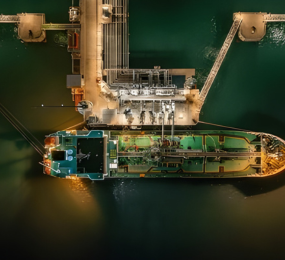
Infrastructure plays a decisive role in shaping the marine fuels ecosystem. Ports must adapt to handle new fuels, storage requirements, and safety standards. Bunkering facilities, pipelines, and logistics networks must be developed in parallel with vessel technology. Without coordinated investment in infrastructure, the adoption of alternative fuels will remain fragmented and uneven across regions.
Policy and regulation are powerful drivers of change. International frameworks, national policies, and regional initiatives are pushing the industry to reduce emissions and improve efficiency. Carbon pricing, fuel standards, and emissions targets are influencing investment decisions and accelerating innovation. At the same time, regulatory uncertainty can slow progress, highlighting the need for clear and consistent policy signals.
Finance and collaboration are equally critical. Transitioning the marine fuels ecosystem requires significant capital, long-term planning, and cross-sector partnerships. Shipowners must balance commercial viability with sustainability goals,
while fuel producers and technology developers need assurance that demand will grow. Collaborative initiatives and public-private partnerships are emerging as key mechanisms to reduce risk and scale solutions.
The evolution of the marine fuels ecosystem is not a single shift but a gradual, multi-fuel transition. Different regions, vessel types, and trade routes will adopt different solutions based on economics, infrastructure, and policy. This diversity reflects the complexity of global shipping and underscores the need for flexible, adaptive strategies.
As the industry moves forward, the marine fuels ecosystem will define the pace and success of maritime decarbonization. The choices made today about fuels, infrastructure, and partnerships will shape the environmental and economic future of global shipping for decades to come.
Takeaway Point
The marine fuels ecosystem is transforming from a fossil-fuel-driven model to a diverse, low-carbon network, and its success depends on coordinated action across technology, policy, infrastructure, and finance.
Learn more on our website: https://www.leadventgrp.com/event/world-sustainable-marine-fuels-forum/register
For more information and group participation, contact us: [email protected]
Leadvent Group - Industry Leading Events for Business Leaders!
www.leadventgrp.com | [email protected]














Comment