

EV Charging Infrastructure for Commercial Fleets and Logistics
The transition to Electric Vehicles (EVs) for commercial fleets and logistics is no longer a futuristic concept; it is a strategic imperative for modern supply chain management. As global regulations tighten around carbon emissions and companies commit to ESG (Environmental, Social, and Governance) goals, the deployment of robust, dedicated charging infrastructure has become the primary bottleneck—and the primary solution—for sustainable logistics.
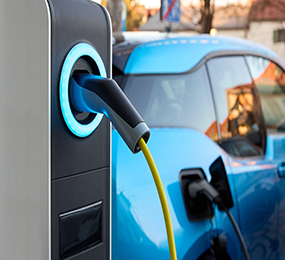
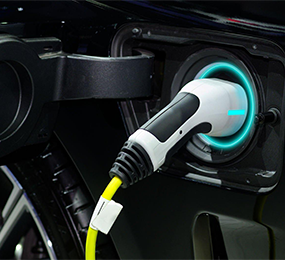
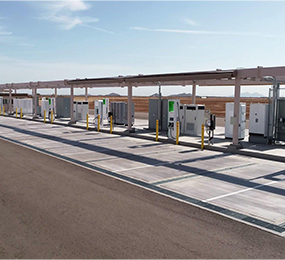
Unlike passenger vehicle charging, commercial fleet infrastructure must handle high-volume, high-frequency energy demands. Logistics hubs require a sophisticated mix of Level 2 chargers for overnight "dwell time" and DC Fast Chargers (DCFC) for rapid mid-shift top-ups. The planning phase for such infrastructure involves complex "make-ready" assessments, where fleet managers must evaluate grid capacity and, in many cases, invest in on-site energy storage or microgrids to avoid prohibitive peak-demand charges.
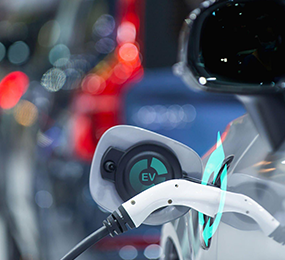
A critical component of this development is the integration of Smart Charging and Fleet Management Systems (FMS). These platforms use telematics to monitor vehicle state-of-charge (SoC) in real-time, allowing operators to sequence charging sessions based on upcoming route schedules. By "load balancing," fleets can ensure that vehicles are ready for departure without exceeding the site's electrical limits. Furthermore, the advent of "Vehicle-to-Grid" (V2G) technology offers a future where fleet batteries act as distributed energy resources, providing stability back to the grid during peak hours.
Workforce development is equally vital. Logistics providers must train technicians not only in mechanical maintenance but also in high-voltage safety and software troubleshooting. As the industry moves toward Megawatt Charging Systems (MCS) for heavy-duty trucking, the scale of infrastructure investment will only grow. Ultimately, a successful transition depends on a holistic approach that treats charging hardware, software, and the energy grid as a single, unified ecosystem.
Visit our website to know more: https://www.leadventgrp.com/events/4th-annual-ev-charging-infrastructure-forum/details
For more information and group participation, contact us: [email protected]
Leadvent Group - Industry Leading Events for Business Leaders!
www.leadventgrp.com| [email protected]







Comment