

Net Zero Africa Strategy: Accelerating Sustainable Growth and Climate Resilience
Africa is increasingly positioning itself as a key player in the global transition to a low-carbon future. While the continent contributes a relatively small share of global greenhouse gas emissions, it faces some of the most significant impacts of climate change, including droughts, flooding, food insecurity, and changing weather patterns. As a result, developing an effective Net Zero Africa Strategy has become essential not only for environmental sustainability but also for long-term economic growth and social development.
A net zero strategy aims to balance greenhouse gas emissions produced with those removed from the atmosphere. For Africa, achieving this goal requires a unique approach that addresses climate challenges while supporting economic development, industrialization, and improved access to energy.
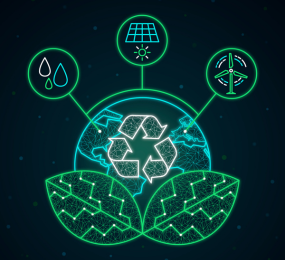
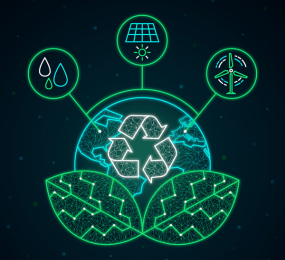
One of the most important pillars of Africa’s net zero journey is renewable energy expansion. Despite possessing some of the world's richest solar, wind, hydroelectric, and geothermal resources, millions of people across the continent still lack reliable access to electricity. Renewable energy presents an opportunity to simultaneously reduce emissions, improve energy access, and stimulate economic growth.
Large-scale solar projects are being developed across North, West, East, and Southern Africa, while wind energy investments continue to grow in regions with strong renewable resources. These projects are helping diversify energy systems, reduce dependence on imported fossil fuels, and create new employment opportunities.
Green hydrogen is also emerging as a major opportunity within Africa's net zero strategy. Countries with abundant renewable energy resources are exploring hydrogen production for domestic use and export markets. This growing sector has the potential to attract investment, support industrial development, and position Africa as a key supplier in the future global clean energy economy.
Sustainable industrialization is another critical component of the strategy. As African economies expand, industries are increasingly exploring cleaner production methods, energy-efficient technologies, and low-carbon manufacturing processes. Integrating sustainability into industrial growth plans can help countries avoid high-emission development pathways while maintaining competitiveness.
Agriculture, which supports the livelihoods of millions across the continent, also plays a significant role in net zero planning. Climate-smart farming practices, sustainable land management, and improved water resource management are helping increase resilience while reducing environmental impact. These initiatives support food security while contributing to broader climate goals.
The transportation sector is beginning to evolve as well. Governments and private investors are exploring electric mobility solutions, cleaner public transportation systems, and sustainable fuel alternatives to reduce emissions from growing urban populations.
Financing remains one of the most important challenges and opportunities for Africa’s net zero transition. Achieving climate objectives will require substantial investment in renewable energy infrastructure, grid modernization, sustainable transportation, and climate adaptation projects. International climate finance, development institutions, and private-sector investment will be essential in supporting this transformation.
Technology and innovation are helping accelerate progress. Digital energy management systems, smart grids, data analytics, and climate monitoring technologies are enabling more efficient resource management and better decision-making across sectors.
Collaboration is equally important. Governments, businesses, financial institutions, research organizations, and international partners must work together to create supportive policies, attract investment, and share knowledge that supports sustainable development goals.
While the path to net zero presents challenges, it also offers Africa an opportunity to build a more resilient and inclusive economy. By investing in clean energy, sustainable industries, and climate-smart solutions, the continent can strengthen economic growth while addressing environmental risks.
The Net Zero Africa Strategy is not simply about reducing emissions. It is about creating a future where economic development, energy access, environmental stewardship, and social progress work together to support long-term prosperity for generations to come.
For more information and group participation, contact us: [email protected]
Leadvent Group - Industry Leading Events for Business Leaders!
www.leadventgrp.com | [email protected]












Comment