

Green Shipping Decarbonisation: Steering the Maritime Industry Toward a Sustainable Future
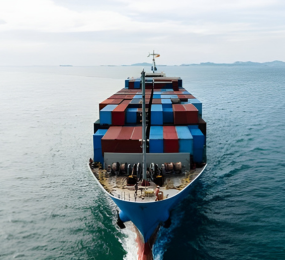
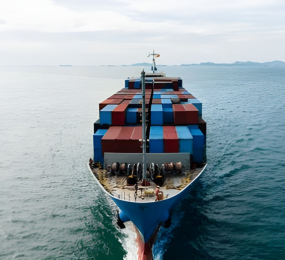
Global shipping is the backbone of international trade, transporting around 90% of the world’s goods across oceans and connecting economies worldwide. However, the maritime sector is also a significant contributor to greenhouse gas emissions, accounting for nearly 3% of global carbon dioxide emissions. As climate concerns intensify and environmental regulations become stricter, green shipping decarbonisation has emerged as a critical priority for the industry.
Decarbonisation in shipping refers to the process of reducing and ultimately eliminating greenhouse gas emissions generated by maritime operations. Achieving this goal requires a combination of cleaner fuels, advanced vessel technologies, improved operational efficiency, and strong collaboration across the global shipping ecosystem.
One of the most significant developments in maritime decarbonisation is the transition to alternative fuels. Traditional marine fuels, while effective for long-distance shipping, produce substantial carbon emissions. To address this challenge, shipping companies are increasingly exploring lower-carbon alternatives such as green methanol, green ammonia, biofuels, hydrogen, and synthetic e-fuels.
Among these options, green methanol has gained considerable attention due to its compatibility with emerging vessel technologies and existing fuel infrastructure. Green ammonia is also being viewed as a promising long-term solution because it contains no carbon and has the potential to support large-scale maritime operations with significantly lower emissions.
Energy efficiency remains another essential pillar of shipping decarbonisation. Modern vessel designs incorporate advanced hull technologies, optimized propulsion systems, and energy-saving devices that reduce fuel consumption. Even small improvements in efficiency can lead to significant emission reductions across global fleets.
Digital technology is playing an increasingly important role in supporting greener shipping operations. Real-time monitoring systems, predictive analytics, and artificial intelligence are helping ship operators optimize routes, improve fuel efficiency, and reduce unnecessary energy consumption. By using data-driven insights, companies can make more informed operational decisions while lowering environmental impact.
Wind-assisted propulsion technologies are also making a comeback in modern shipping. Innovations such as rotor sails, wing sails, and kite-assisted systems are helping vessels harness natural wind power to reduce fuel usage. While these technologies may not completely replace conventional propulsion systems, they can significantly contribute to emissions reduction strategies.
Port infrastructure is evolving alongside vessel innovation. Many ports are investing in shore power systems that allow ships to connect to electricity while docked, reducing the need to run onboard engines. Green port initiatives are also supporting the development of cleaner fuel bunkering facilities and sustainable logistics operations.
Regulatory frameworks are accelerating progress across the maritime sector. International organizations and national governments are introducing stricter emissions standards and carbon reduction targets to encourage cleaner shipping practices. These policies are helping create a clearer pathway for investment in sustainable technologies and alternative fuels.
Despite strong momentum, the journey toward full decarbonisation remains challenging. The cost of alternative fuels, infrastructure development requirements, and technology scalability continue to present obstacles for shipowners and operators. Furthermore, the global nature of shipping requires coordinated international action to ensure consistent progress.
Financial institutions and investors are increasingly supporting green shipping initiatives through sustainability-linked financing and climate-focused investment programs. This growing financial support is helping accelerate innovation and commercial deployment across the sector.
Green shipping decarbonisation is no longer simply an environmental objective; it is becoming a strategic business imperative. Companies that invest in cleaner technologies and sustainable operations today will be better positioned to navigate future regulations, meet customer expectations, and remain competitive in a rapidly evolving market.
As the maritime industry charts its course toward a low-carbon future, collaboration, innovation, and long-term commitment will be essential. The transformation may be complex, but it represents a significant opportunity to create a more sustainable and resilient global shipping sector.
Takeaway Point:
Green shipping decarbonisation is reshaping the maritime industry through cleaner fuels, smarter technologies, and improved operational efficiency, helping reduce emissions while supporting sustainable global trade.
For more information and group participation, contact us: [email protected]
Leadvent Group - Industry Leading Events for Business Leaders!
www.leadventgrp.com | [email protected]










Comment