

Net Zero: Shaping the Future of Global Climate Action
In recent years, the term “net zero” has become central to conversations about climate change and environmental sustainability. Governments, corporations, and international organizations around the world are committing to net zero targets as part of broader efforts to reduce greenhouse gas emissions and address the long-term impacts of global warming.
Net zero refers to the balance between the amount of greenhouse gases released into the atmosphere and the amount removed from it. In practical terms, achieving net zero means that any emissions produced are offset by actions that remove an equivalent amount of carbon from the atmosphere. The ultimate goal is to stabilize the climate by preventing the accumulation of excess greenhouse gases.
Reaching net zero requires a significant transformation of the global energy system. For decades, economic growth and industrial development have been closely linked to fossil fuel consumption. Coal, oil, and natural gas have powered industries, transportation systems, and electricity generation. While these energy sources have supported development, they have also contributed heavily to carbon emissions.
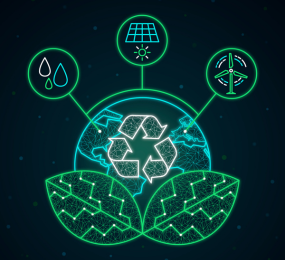
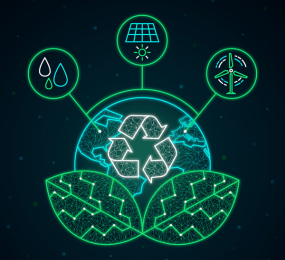
To move toward net zero, countries are investing in cleaner alternatives that can replace or reduce the use of fossil fuels. Renewable energy sources such as solar, wind, and hydropower are playing an increasingly important role in electricity generation. As renewable technologies continue to improve and become more affordable, they are helping to reshape energy systems around the world.
Energy efficiency is another important component of net zero strategies. Improving how energy is used in buildings, transportation, and industrial processes can significantly reduce emissions without sacrificing productivity. Efficient technologies, smarter infrastructure, and better energy management systems allow organizations to operate more sustainably while lowering costs.
In addition to reducing emissions, net zero strategies often involve removing carbon dioxide from the atmosphere. This can be achieved through natural solutions such as reforestation and ecosystem restoration, which absorb carbon through plant growth. Technological solutions, including carbon capture and storage (CCS), are also being developed to capture emissions directly from industrial facilities or power plants.
Businesses are increasingly adopting net zero commitments as part of their corporate sustainability strategies. Companies are working to reduce emissions across their operations, supply chains, and product lifecycles. These efforts often include transitioning to renewable energy, improving manufacturing efficiency, and investing in carbon offset programs.
However, achieving net zero is not without challenges. Many sectors, including heavy industry, aviation, and shipping, rely on energy-intensive processes that are difficult to decarbonize quickly. Continued innovation in areas such as hydrogen fuels, sustainable aviation fuels, and advanced energy storage will be essential to address these sectors.
Policy support also plays a critical role. Governments are implementing climate regulations, carbon pricing systems, and investment programs designed to accelerate the transition to low-carbon technologies. International cooperation is equally important, as climate change is a global challenge that requires coordinated action across borders.
Despite these challenges, momentum toward net zero continues to build. Countries representing a large portion of the global economy have already announced long-term net zero commitments, many targeting the middle of the 21st century. These commitments signal a broad recognition that climate action must be integrated into economic planning and development.
The path to net zero will involve technological innovation, policy leadership, and collective effort across industries and societies. While the journey is complex, it also presents opportunities to create cleaner energy systems, more resilient economies, and a healthier environment for future generations.
Takeaway Point: Net zero represents a global commitment to balancing carbon emissions with removal efforts, driving the transition toward cleaner energy systems and a more sustainable future for the planet.
Learn more on our website: https://www.leadventgrp.com/event/industrial-net-zero-and-decarbonisation-europe/register
For more information and group participation, contact us: [email protected]
Leadvent Group - Industry Leading Events for Business Leaders!
www.leadventgrp.com | [email protected]














Comment