

The High-Tech Overhaul: How Robotics and Drones Are Transforming Grid Inspection
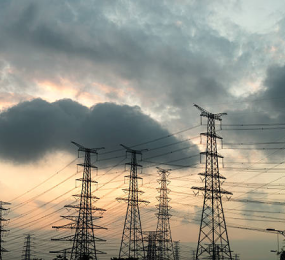
The global electrical grid, a massive and aging infrastructure, is undergoing a digital revolution. Historically, inspecting thousands of miles of high-voltage power lines was a slow, dangerous, and expensive process, often requiring utility workers to climb towers or fly in low-altitude helicopters. Today, the integration of autonomous drones and ground-based robotics is fundamentally changing how we maintain and secure our energy future.
Precision from Above: The Role of Drones
Unmanned Aerial Vehicles (UAVs), or drones, have become the primary tool for rapid grid assessment. Equipped with high-resolution thermal cameras, LiDAR, and multispectral sensors, these devices can detect "hot spots" (indicators of failing components) and structural weaknesses that are invisible to the naked eye. Unlike traditional methods, drones can fly within inches of live wires, capturing granular data without requiring power outages. Furthermore, AI-driven flight paths allow for repeatable, automated inspections, ensuring that every bolt and insulator is monitored with mathematical consistency.
Ground-Based Resilience and Crawlers
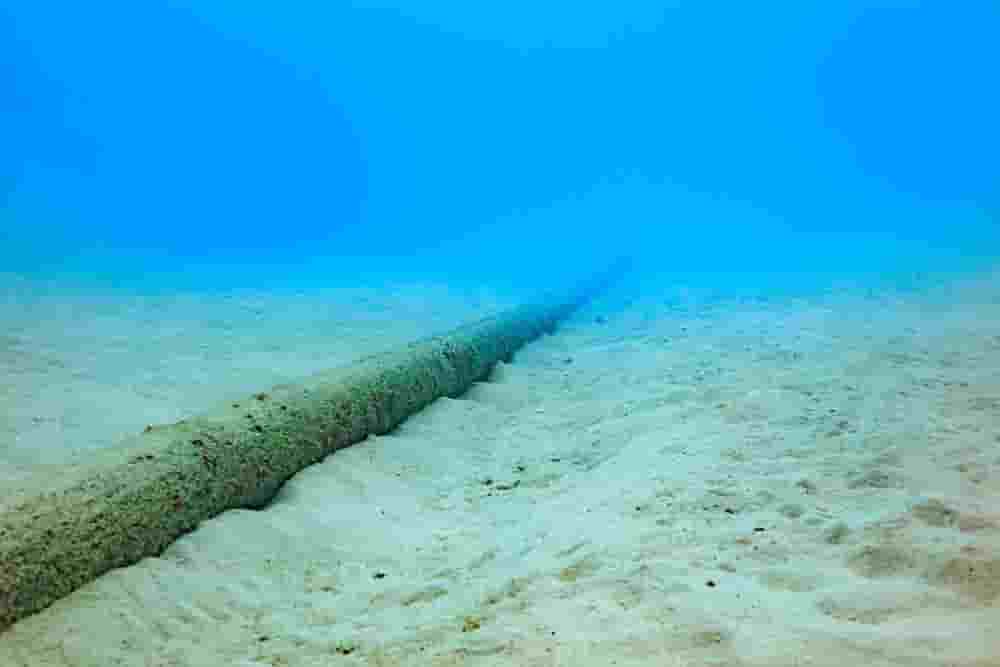
While drones dominate the skies, specialized robotics are tackling the grid's more restricted environments. "Crawler" robots and quadrupedal "robodogs" are increasingly used to inspect substations and underground cabling. These machines can navigate rugged terrain or cramped tunnels that are hazardous for humans. Some advanced robots are even designed to "walk" directly along energized lines, using electromagnetic sensors to identify internal corrosion or fraying.
Data-Driven Reliability
The true transformation, however, lies in the data. The transition from manual "clipboard" inspections to digital "digital twins" allows utility companies to move from reactive repairs to predictive maintenance. By analyzing the massive datasets collected by robots, AI algorithms can predict which component is likely to fail next, allowing for preemptive fixes. This shift not only slashes operational costs but also significantly reduces the frequency and duration of power outages for the end-consumer.
Visit our website to know more: https://www.leadventgrp.com/events/2nd-annual-power-grid-digitalization-and-automation-forum/details
For more information and group participation, contact us: [email protected]
Leadvent Group - Industry Leading Events for Business Leaders!
www.leadventgrp.com| [email protected]





Comment