

Non-Road Mobile Machinery (NRMM): Driving Clean Progress Off the Beaten Path
When people think about emissions and machinery, the focus usually falls on road vehicles cars, trucks, buses. But outside city traffic and highways exists another world of machines just as vital to the economy: Non-Road Mobile Machinery (NRMM).
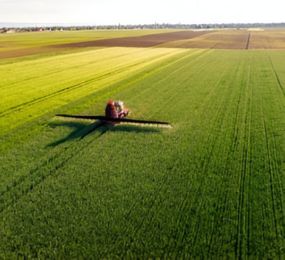
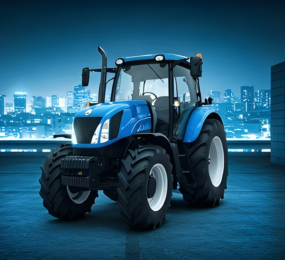
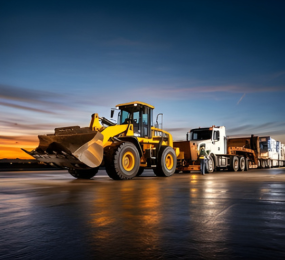
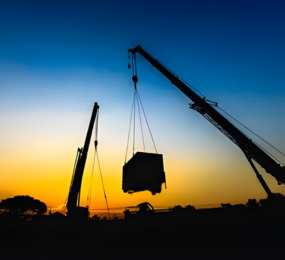
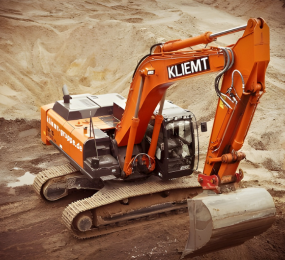
These are the unsung workhorses found on construction sites, farms, ports, airports, and railways. They power cranes, excavators, forklifts, tractors, generators, and more. Though they don’t travel on public roads, their environmental impact is significant and that’s drawing increasing attention from regulators, manufacturers, and communities alike.
Why NRMM Matters
NRMM might not be as visible as your daily commute, but it’s indispensable to how our societies function. Without it, infrastructure projects would stall, agriculture would falter, and logistics would come to a standstill. This sector underpins essential services across industries.
However, the engines powering these machines have traditionally run on diesel. This contributes not only to carbon emissions but also to air pollutants like nitrogen oxides (NOx) and particulate matter, which can affect both environmental and public health especially in densely populated work areas.
As awareness grows about the environmental footprint of industrial activity, NRMM has moved into the spotlight of sustainability discussions.
Regulation and Change
To reduce the environmental impact of NRMM, many governments particularly in Europe have introduced stringent emissions regulations. The EU’s Stage V regulation, for instance, mandates lower limits for emissions from new NRMM engines. Similar efforts are underway in other regions, aiming to align economic development with climate goals.
But regulation is only part of the story. Manufacturers are also stepping up, redesigning equipment to run on cleaner fuels, hybrid systems, or electricity. Some machines are now equipped with advanced after-treatment systems or energy-efficient engines that significantly reduce emissions without compromising performance.
In ports and airports, battery-electric or hydrogen-powered ground support equipment is becoming more common. Meanwhile, in agriculture and construction, hybrid models are helping ease the transition while maintaining productivity.
Challenges Ahead
Despite positive momentum, decarbonizing NRMM is no small task. One challenge is the wide variety of machinery types and sizes, making standardization difficult. Another is the lack of infrastructure, especially for electric charging or hydrogen fueling in remote or temporary locations.
There’s also the matter of cost. Cleaner machinery can require significant investment both in equipment and training. However, many industry leaders now see sustainability not as a burden but as a competitive edge, opening doors to new markets, incentives, and partnerships.
The Road Forward
Moving NRMM toward lower emissions isn’t just about compliance it’s about responsibility. Operators, manufacturers, regulators, and even clients are beginning to recognize the value of greener machinery in building a healthier, more resilient future.
Takeaway Point: Non-road mobile machinery plays a vital role in everyday industries, but its environmental impact can’t be overlooked. With the right mix of innovation, policy, and investment, the sector can help drive sustainability beyond the roads toward a cleaner, more efficient future.
Learn more on our website: https://www.leadventgrp.com/event/2nd-annual-non-road-mobile-machinery-electrification-and-decarbonization-forum/register
For more information and group participation, contact us: [email protected]
Leadvent Group - Industry Leading Events for Business Leaders!
www.leadventgrp.com | [email protected]







Comment