

Green Hydrogen and Biofuels: Competing or Complementary Solutions?
The global pursuit of decarbonization has brought green hydrogen and biofuels to the forefront as key sustainable energy solutions. While both aim to reduce reliance on fossil fuels, the question arises: are they competing alternatives or complementary pathways to a cleaner energy future? A nuanced understanding reveals that while they may vie for certain applications, their greatest potential lies in synergistic deployment.
Green hydrogen, produced via electrolysis powered by renewable electricity, offers a versatile, zero-emission energy carrier. Its strength lies in decarbonizing hard-to-abate sectors like heavy industry (steel, cement), long-haul transport (aviation, shipping), and chemical manufacturing (ammonia, methanol production), where direct electrification is challenging. Green hydrogen can also serve as a crucial energy storage mechanism, balancing intermittent renewable energy generation. However, its widespread adoption currently faces hurdles related to high production costs, infrastructure development, and energy losses during conversion and transport.
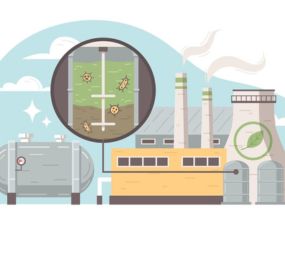
Biofuels, derived from organic materials such as agricultural waste, energy crops, and used cooking oil, provide an immediate and often "drop-in" solution for reducing emissions in existing infrastructure and vehicle fleets. They are particularly effective for sectors like heavy-duty road transport and aviation, where liquid fuels remain essential. Biofuels can be integrated with minimal modifications, offering a cost-effective and practical pathway for near-term decarbonization. Challenges include ensuring sustainable feedstock sourcing, optimizing production efficiency, and scaling supply to meet growing demand without impacting food security or land use.
Ultimately, green hydrogen and biofuels are largely complementary. Biofuels offer a pragmatic solution for immediate emission reductions in existing systems, while green hydrogen is a long-term, scalable solution for deep decarbonization in sectors difficult to electrify. Synergies can emerge, such as using biomass to produce hydrogen or utilizing green hydrogen in biorefining processes. By leveraging their respective strengths and fostering collaboration, these two clean energy carriers can collectively accelerate the transition to a sustainable, low-carbon global energy landscape.
Visit our website to know more: https://www.leadventgrp.com/events/3rd-annual-advanced-biofuels-forum/details
For more information and group participation, contact us: [email protected]
Leadvent Group - Industry Leading Events for Business Leaders!









Comment