

NRMM: A Quiet Force in the Climate Conversation
In the broader climate dialogue, discussions often center on cars, airplanes, or power plants. Yet there’s a sector working behind the scenes that plays an essential role in industrial productivity and carries a significant environmental footprint: Non-Road Mobile Machinery (NRMM).
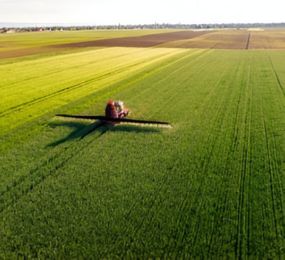
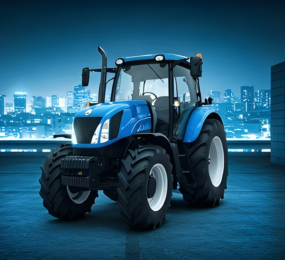
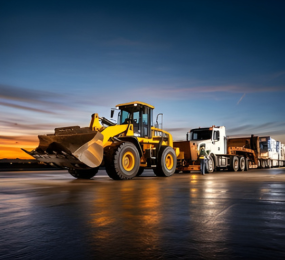
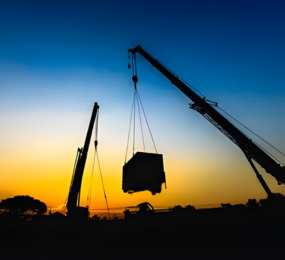
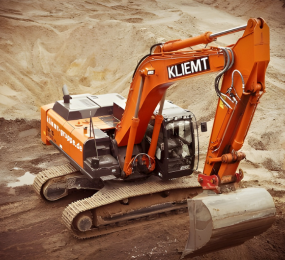
NRMM refers to a wide range of equipment used off public roads construction machinery, agricultural tractors, airport ground vehicles, forklifts, and more. These machines power some of the most critical sectors in our economies, especially in developing regions. But they also consume high amounts of fuel and contribute significantly to air pollution and greenhouse gas emissions.
As the world moves toward cleaner energy and stricter emissions targets, NRMM cannot be left out of the equation.
The Emissions We Don’t See but Need to Address
Unlike road vehicles, NRMM operates largely out of public view, yet it often uses diesel engines that are older and less regulated. As cities and countries set climate goals, regulators are beginning to take a closer look at the emissions from this sector.
European regulations and international standards are pushing manufacturers and operators to reduce particulate matter (PM), nitrogen oxides (NOx), and carbon dioxide emissions from NRMM. However, compliance is only one part of the journey. The real opportunity lies in redesigning systems to be cleaner, quieter, and more efficient without compromising on performance.
Innovation on the Ground: A Growing Shift
Change is already happening. We're seeing a rise in hybrid and fully electric construction equipment. Battery-powered excavators, autonomous tractors, and alternative fuel engines are moving from prototypes to active field use.
Cities like London have implemented Low Emission Zones for construction machinery, incentivizing contractors to adopt greener models. In Africa and Asia, where second-hand machines dominate, discussions are shifting toward retrofitting solutions and regulatory frameworks that balance growth with environmental protection.
Manufacturers are also rethinking design focusing not only on reducing fuel consumption but also on improving operator safety, reducing vibration, and enhancing digital connectivity for better fleet management.
More Than Machines: The Human and Environmental Impact
At its core, the NRMM transition is about more than just engines. It's about protecting the health of construction workers, farmers, and city dwellers exposed to harmful emissions. It’s about reducing noise pollution in urban areas. And it’s about modernizing essential industries in a way that supports both economic growth and climate responsibility.
The challenge is complex high upfront costs, lack of standardization, and logistical barriers remain. But with collaboration between government, manufacturers, contractors, and communities, the sector is poised for a meaningful transformation.
Takeaway Point: The NRMM sector may operate behind the scenes, but its environmental impact is front and center. By investing in cleaner technology and forward-thinking policies, we have the chance to turn these workhorse machines into powerful tools for sustainable progress.
Learn more on our website: https://www.leadventgrp.com/event/2nd-annual-non-road-mobile-machinery-electrification-and-decarbonization-forum/register
For more information and group participation, contact us: [email protected] .
Leadvent Group - Industry Leading Events for Business Leaders!
www.leadventgrp.com | [email protected]








Comment