

The Automotive Industry: Driving More Than Just Mobility
For over a century, the automotive industry has shaped how the world moves. From the roar of the first combustion engine to the silent glide of electric vehicles, this sector continues to reflect the speed and spirit of technological advancement.
But the road ahead is more complex than ever. With climate change, urban congestion, safety demands, and digital disruption at the forefront, automotive players aren’t just building cars they’re building the future of human mobility.
More Than a Machine: The Car as a Reflection of Change
A car has never been just a means of transportation. For many, it’s a symbol of independence, identity, and aspiration. Yet today’s drivers are looking for more than horsepower. They’re demanding cleaner energy, smarter features, and safer experiences.
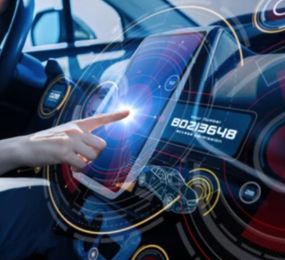
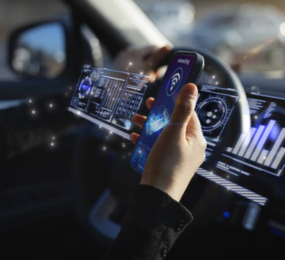
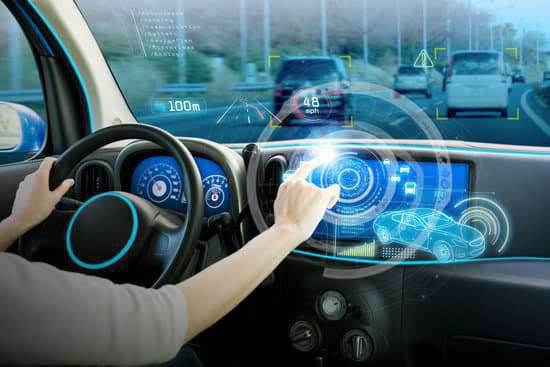
Automakers are responding with a wave of innovations: electric powertrains, autonomous driving systems, connected dashboards, and advanced safety technologies. But innovation is not just about what's under the hood it’s also about the values driving the design.
There’s a shift toward responsible mobility cars that don’t just serve people, but the planet too.
The Sustainability Imperative
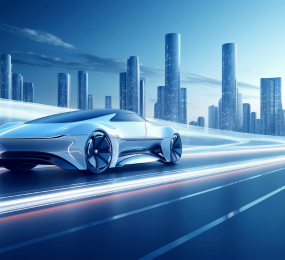
As climate concerns intensify, the automotive industry finds itself at a crossroads. The shift to electric vehicles (EVs) is not just a trend; it’s a necessity. Companies are investing billions into battery research, charging infrastructure, and low-carbon manufacturing.
Meanwhile, governments are stepping in with stricter emissions regulations and incentive programs. In Europe, China, and parts of Africa, the push for electrification is creating new market dynamics, especially for emerging economies with growing urban populations.
But sustainability in automotive isn’t only about EVs. It includes supply chain transparency, material recycling, energy-efficient production, and social responsibility throughout the value chain.
Safety in the Driver’s Seat
Safety has always been a core concern. However, with the rise of driver-assist technologies, artificial intelligence, and data-driven vehicle systems, safety now involves far more than airbags and seatbelts.
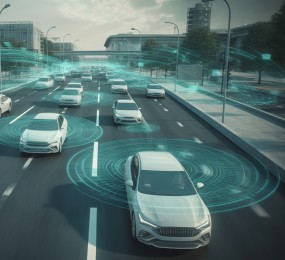
Today’s vehicles can brake automatically, stay in their lane, and detect potential collisions before the driver reacts. These tools are not only reducing accident rates they’re saving lives.
As autonomous vehicles inch closer to mainstream adoption, safety will become a collaborative effort between engineers, regulators, software developers, and society.
Takeaway Point: The automotive industry is not simply evolving it’s redefining itself. As innovation meets sustainability and safety, the vehicles of tomorrow promise not just smarter transport, but a more responsible, inclusive, and connected world.
Learn more on our website: https://www.leadventgrp.com/event/3rd-annual-automotive-functional-safety-forum/register
For more information and group participation, contact us: [email protected]
Leadvent Group - Industry Leading Events for Business Leaders!
www.leadventgrp.com | [email protected]











Comment