

Offshore Wind Energy: Powering the Future of Clean Electricity
Offshore wind energy has become one of the fastest-growing sources of renewable electricity, playing a crucial role in the global transition to a low-carbon economy. As countries work to reduce greenhouse gas emissions and strengthen energy security, harnessing the power of offshore wind offers an opportunity to generate large amounts of clean, reliable electricity while reducing dependence on fossil fuels.
Located in coastal waters where wind speeds are generally stronger and more consistent than on land, offshore wind farms are capable of producing significant amounts of electricity for homes, businesses, and industries. With continued advances in turbine technology, floating foundations, and grid infrastructure, offshore wind is expected to remain a cornerstone of global renewable energy development for decades to come.
What Is Offshore Wind Energy?
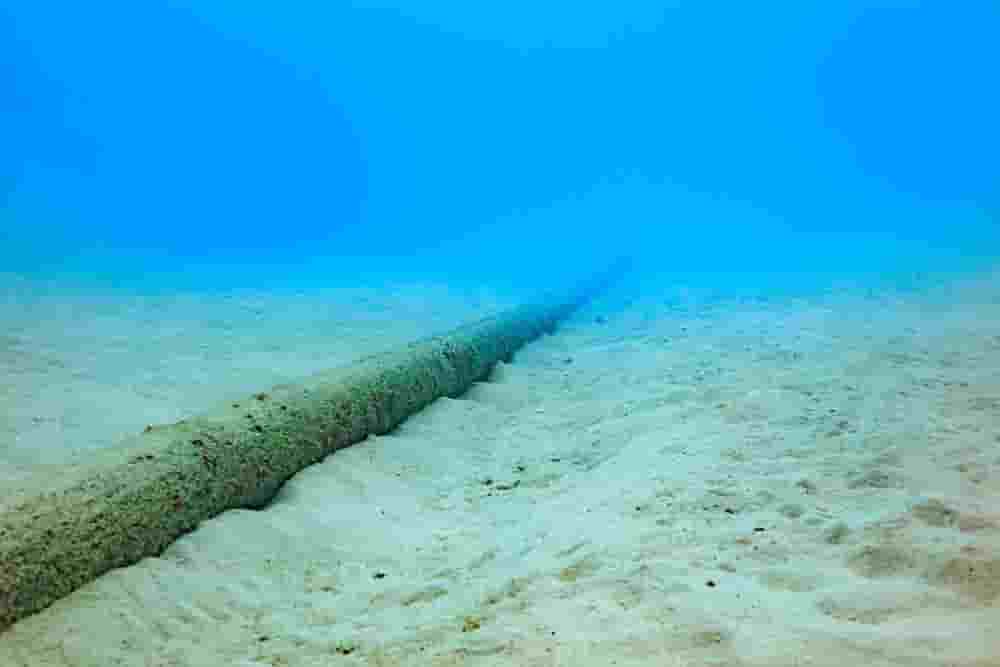
Offshore wind energy is generated by wind turbines installed in seas, oceans, or large lakes. These turbines convert the kinetic energy of the wind into electricity, which is transmitted to shore through subsea cables before being distributed through the electricity grid.
There are two main types of offshore wind projects:
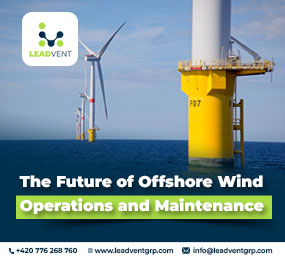
- Fixed-bottom offshore wind farms, where turbines are anchored directly to the seabed in relatively shallow waters.
- Floating offshore wind farms, where turbines are mounted on floating platforms secured by mooring systems, allowing development in much deeper waters.
Both technologies are helping countries unlock vast renewable energy resources and expand clean electricity generation.
Benefits of Offshore Wind Energy
Reliable Renewable Power
Offshore winds are typically stronger and more consistent than winds on land, allowing turbines to generate electricity more efficiently and with higher capacity factors. This improves the reliability of renewable energy supplies throughout the year.
Supporting Net-Zero Goals
Replacing electricity generated from fossil fuels with offshore wind significantly reduces carbon emissions. Offshore wind is therefore a critical component of national and corporate strategies to achieve net-zero emissions and combat climate change.
Strengthening Energy Security
Generating electricity from domestic offshore wind resources reduces dependence on imported fossil fuels and improves long-term energy resilience. It also helps diversify national energy portfolios.
Economic Growth and Job Creation
The offshore wind sector creates employment across engineering, manufacturing, construction, marine operations, maintenance, logistics, and environmental services. Large-scale projects also stimulate investment in ports, shipbuilding, and local supply chains, supporting regional economic development.
Technological Innovation
Continuous innovation is making offshore wind more efficient and cost-effective.
Modern turbines are significantly larger than earlier models, allowing each installation to generate more electricity. Advanced digital monitoring systems, predictive maintenance, artificial intelligence, and robotics are improving operational performance while reducing maintenance costs.
Floating wind technology is expanding development opportunities by enabling wind farms to operate in deeper waters where fixed-bottom foundations are not practical. This opens access to some of the world's strongest offshore wind resources.
Challenges Facing the Industry
Despite its rapid growth, offshore wind faces several challenges.
Projects require substantial upfront investment, complex engineering, and long development timelines. Expanding electricity grids, modernizing ports, and strengthening supply chains are essential to support continued growth.
Environmental assessments, marine spatial planning, and collaboration with coastal communities, fisheries, and other ocean users are also important for ensuring responsible project development.
Addressing these challenges will require ongoing cooperation between governments, developers, investors, and technology providers.
The Future of Offshore Wind
Global investment in offshore wind continues to increase as countries expand renewable energy targets and seek long-term energy security. Improvements in turbine efficiency, floating wind technology, energy storage, and grid integration are expected to make offshore wind even more competitive.
As more projects move from planning to commercial operation, offshore wind will play an increasingly important role in supporting industrial decarbonization, electrification, and sustainable economic growth.
Conclusion
Offshore wind energy is transforming the global energy landscape by providing a reliable, scalable, and low-carbon source of electricity. Its ability to harness powerful offshore wind resources makes it one of the most promising renewable energy technologies available today.
With continued investment, innovation, and international collaboration, offshore wind will remain a key driver of the clean energy transition, helping countries reduce emissions, strengthen energy security, and build a more sustainable future.
Takeaway Point
Offshore wind energy is a vital part of the global renewable energy transition. By generating clean electricity from strong and consistent offshore winds, it supports net-zero goals, enhances energy security, creates skilled jobs, and drives sustainable economic growth for future generations.






Comment