

Offshore Wind: Harnessing Ocean Energy at Scale
Offshore wind has become one of the most dynamic areas within the renewable energy sector. As countries look to diversify their energy sources and reduce emissions, the vast wind resources available over oceans are proving to be both reliable and efficient. Offshore wind farms, positioned in coastal and open-sea environments, are helping reshape how electricity is generated and delivered.
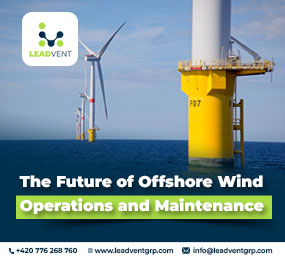
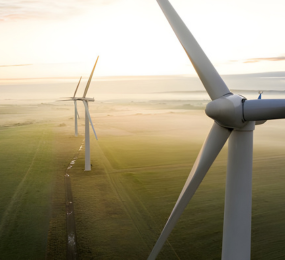
The concept is straightforward: wind turbines are installed in bodies of water where wind speeds are typically stronger and more consistent than on land. With fewer physical obstacles, such as buildings and terrain, wind flows more steadily across the ocean. This allows offshore turbines to generate electricity more efficiently and predictably.
One of the defining strengths of offshore wind is its scale. Modern turbines are significantly larger than those used in onshore projects, with longer blades and higher towers that capture more energy. A single offshore wind farm can generate enough electricity to power entire cities, making it a key solution for meeting large-scale energy demand.
Beyond performance, offshore wind offers clear environmental advantages. It produces electricity without direct carbon emissions, supporting global efforts to address climate change. As nations set ambitious targets for reducing greenhouse gases, offshore wind is becoming a central part of long-term energy strategies.
The sector also contributes to economic growth. Offshore wind projects require a wide range of expertise, from engineering and manufacturing to installation and maintenance. This creates employment opportunities and stimulates investment, particularly in coastal regions where ports and infrastructure play a crucial role.
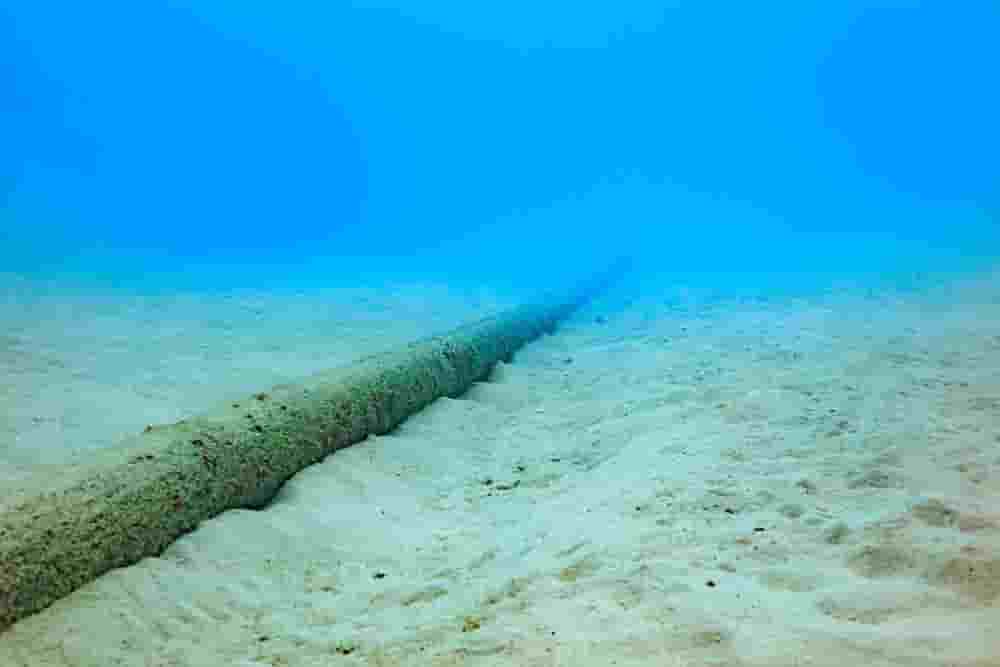
Technological progress has been essential to the development of offshore wind. Advances in turbine design, materials, and installation techniques have improved efficiency while reducing costs. Enhanced grid connections and subsea cable systems ensure that electricity generated offshore can be transmitted reliably to onshore networks.
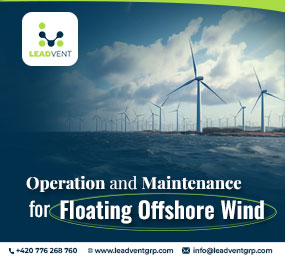
Floating wind technology is further expanding the potential of offshore wind. By allowing turbines to operate in deeper waters, it opens access to areas with even stronger wind resources. This innovation is expected to play an important role in the next phase of offshore wind development.
Despite its advantages, offshore wind comes with challenges. The marine environment presents technical complexities, including harsh weather conditions and
varying seabed structures. These factors can increase project costs and require specialized equipment and expertise.
Environmental considerations are also critical. Developers must carefully assess and manage the impact of offshore wind farms on marine ecosystems, including fish populations and bird migration patterns. Responsible planning and monitoring help ensure that projects are developed sustainably.
Infrastructure is another important factor. Efficient transmission systems are needed to connect offshore wind farms to national grids. Continued investment in grid capacity and modernization is essential to fully utilize the energy generated.
Looking ahead, offshore wind is expected to play a growing role in the global energy mix. With continued innovation, supportive policies, and increased investment, the sector is well-positioned to expand further.
Offshore wind represents a practical and scalable solution to the world’s energy challenges. By harnessing the power of the ocean, it offers a pathway to cleaner electricity and a more sustainable future.
Takeaway Point: Offshore wind provides a high-capacity, low-emission energy solution, supporting sustainable growth while driving innovation in the global renewable energy sector.
Learn more on our website: https://www.leadventgrp.com/event/5th-annual-offshore-wind-operations-and-maintenance-forum/register
For more information and group participation, contact us: [email protected]
Leadvent Group - Industry Leading Events for Business Leaders!
www.leadventgrp.com | [email protected]






Comment