

How Sponsors Are Driving the Growth of Floating Wind Projects
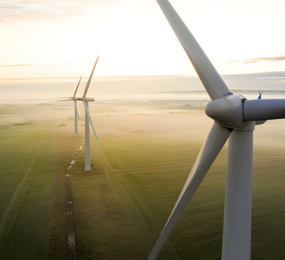
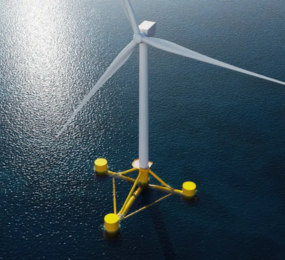
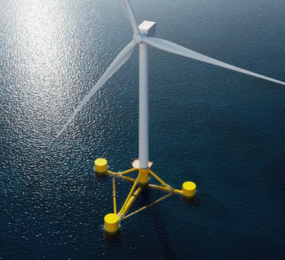
Floating offshore wind is becoming one of the most exciting frontiers in renewable energy. By enabling wind turbines to operate in deep ocean waters where winds are stronger and more consistent, floating wind has the potential to significantly expand global clean energy capacity. However, developing these projects requires substantial investment, technical expertise, and long-term commitment. This is where project sponsors play a critical role.
In the renewable energy sector, a sponsor is typically the organization or group of organizations that initiates, develops, finances, and supports a project from concept to operation. In floating wind, sponsors may include energy companies, infrastructure investors, utilities, pension funds, technology developers, and strategic industry partners. Their involvement is essential in turning ambitious offshore wind concepts into commercially viable projects.
One of the primary ways sponsors support floating wind is through early-stage investment. Floating wind projects require significant capital for site studies, environmental assessments, engineering design, permitting, and technology development long before electricity is generated. Sponsors provide the financial backing needed to move projects through these critical early phases.
Sponsors also help reduce project risk by bringing industry experience and credibility. Floating wind is still an emerging technology compared with fixed-bottom offshore wind, so investors and lenders often look for strong sponsors with proven track records in energy infrastructure, offshore engineering, or large-scale project delivery. Their participation helps build confidence among financial institutions and other stakeholders.
Strategic partnerships are another important aspect of sponsorship in floating wind. Many projects are developed through collaborations between energy companies, turbine manufacturers, cable suppliers, shipbuilders, and engineering firms. Sponsors often coordinate these partnerships, ensuring that the right technical and commercial expertise is brought together to deliver complex offshore projects successfully.
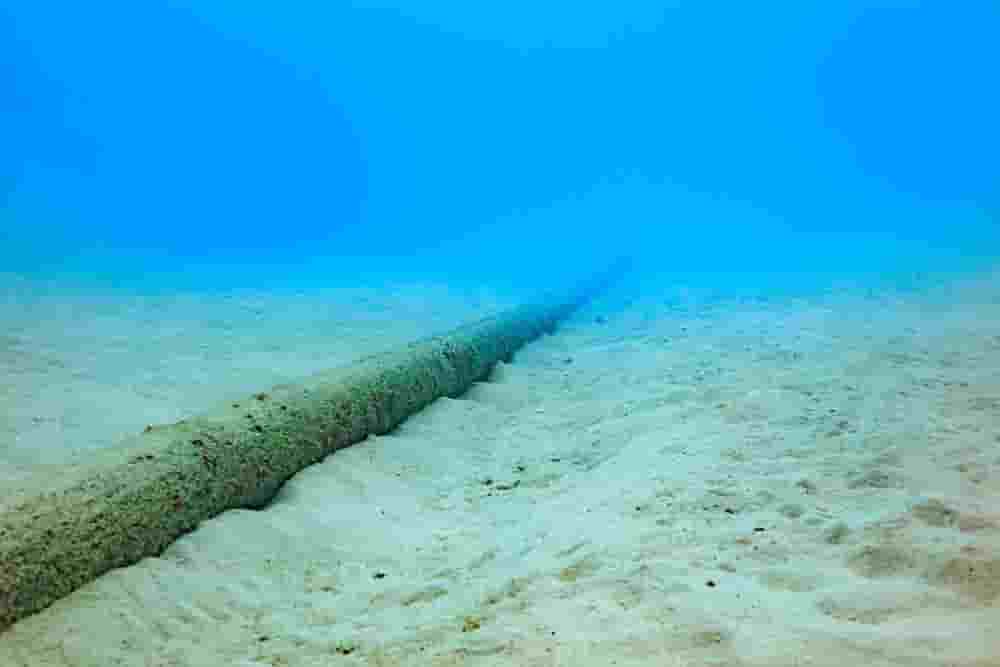
Technology advancement is closely linked to sponsor involvement. By funding demonstration projects and pilot installations, sponsors help test new floating platforms, mooring systems, dynamic power cables, and turbine technologies in real-world conditions. These early projects generate valuable operational data that supports future commercial-scale developments and helps lower costs across the industry.
Sponsors also play a key role in securing long-term revenue arrangements. Floating wind projects typically rely on mechanisms such as power purchase agreements (PPAs), government-backed contracts, or renewable energy auctions to provide stable income streams. Experienced sponsors are often better positioned to negotiate these agreements and navigate evolving regulatory frameworks.
Infrastructure development is another area where sponsorship matters. Floating wind requires specialized port facilities, assembly areas, installation vessels, and grid connections. Sponsors frequently invest in or support the development of this infrastructure, helping create the broader ecosystem needed for the industry to grow.
Environmental and community engagement is increasingly important as offshore wind expands. Responsible sponsors work closely with regulators, local communities, fisheries, and environmental organizations to ensure projects are developed sustainably and with appropriate stakeholder consultation. Strong engagement helps improve project acceptance and supports long-term success.
Financial innovation is also shaping the sector. Sponsors are exploring blended finance models, green bonds, sustainability-linked financing, and partnerships with development banks to support large-scale floating wind deployment. These approaches can help attract additional capital and improve project economics.
As global demand for clean energy rises, competition to develop high-quality offshore wind sites is intensifying. Sponsors that move early, build strong partnerships, and invest in scalable technology are likely to play a leading role in shaping the future of the floating wind industry.
Floating wind is not just an engineering achievement; it is a major infrastructure and investment opportunity. Sponsors provide the capital, expertise, coordination, and long-term vision needed to bring these complex projects to life and accelerate the transition to a low-carbon energy system.
Takeaway Point:
Sponsors are essential to the growth of floating wind projects, providing the investment, expertise, partnerships, and long-term support needed to develop and scale offshore renewable energy successfully.
Learn more on our website: https://www.leadventgrp.com/event/6th-annual-floating-wind-europe/register
For more information and group participation, contact us: [email protected]
Leadvent Group - Industry Leading Events for Business Leaders!
www.leadventgrp.com | [email protected]






Comment