

Sustainable Development in Africa: Building Resilient Economies and Communities
Sustainable development has become one of the most important priorities for Africa as the continent seeks to balance economic growth, social progress, and environmental protection. With a rapidly growing population, abundant natural resources, and expanding urban centers, Africa has significant opportunities to create a future that delivers prosperity while preserving resources for future generations.
At its core, sustainable development focuses on meeting today's needs without compromising the ability of future generations to meet their own. For Africa, this means creating economic opportunities, improving living standards, expanding access to essential services, and protecting ecosystems that support livelihoods across the continent.
Economic growth remains a critical pillar of sustainable development. Many African countries have experienced strong economic expansion over the past two decades, driven by sectors such as agriculture, mining, manufacturing, technology, and services. However, sustainable development requires that growth be inclusive, ensuring that its benefits reach communities, create jobs, and reduce poverty.
Infrastructure development plays a vital role in achieving these goals. Reliable transportation networks, modern energy systems, water infrastructure, and digital connectivity are essential for supporting economic activity and improving quality of life. Investments in sustainable infrastructure can help strengthen productivity while reducing environmental impacts and enhancing resilience to future challenges.
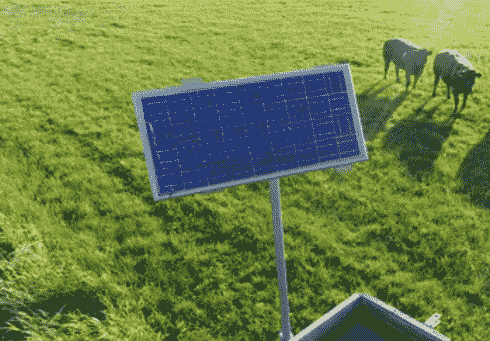
Access to energy is another key component of Africa's sustainable development journey. Millions of people across the continent still lack reliable electricity, limiting opportunities for education, healthcare, and economic participation. Renewable energy technologies such as solar, wind, hydroelectric, and mini-grid systems are helping expand energy access while supporting climate objectives. Africa's vast renewable energy potential positions it as an important player in the global transition to clean energy.
Education is equally important for long-term development. A skilled and educated workforce can drive innovation, entrepreneurship, and economic diversification. Investments in schools, vocational training, and digital learning opportunities help prepare young people for the demands of a rapidly changing global economy while strengthening social and economic resilience.
Healthcare remains another essential pillar of sustainable development. Improving access to healthcare services, strengthening public health systems, and investing in medical infrastructure contribute to healthier populations and stronger economies. Healthy communities are better positioned to participate in economic activities and contribute to national development goals.
Agriculture continues to be a major source of employment and income across Africa. Sustainable farming practices can improve food security while protecting soil quality, water resources, and biodiversity. Climate-smart agriculture, efficient irrigation systems, and modern farming technologies are helping farmers increase productivity while adapting to changing environmental conditions.
Environmental protection is becoming increasingly important as Africa faces challenges such as climate change, deforestation, land degradation, and water scarcity. Sustainable development strategies seek to balance economic growth with environmental stewardship by promoting conservation, resource efficiency, and responsible land use practices.
The private sector is playing a growing role in advancing sustainability across the continent. Businesses are investing in renewable energy, sustainable supply chains, green technologies, and Environmental, Social, and Governance (ESG) initiatives. These efforts not only support environmental goals but also enhance competitiveness and attract investment.
International partnerships are also contributing to Africa's sustainable development agenda. Collaboration between governments, development institutions, financial organizations, and private investors is helping mobilize resources and expertise needed to address complex development challenges.
While significant progress has been made, challenges such as financing gaps, infrastructure deficits, and climate risks remain. However, the continent's growing population, entrepreneurial spirit, and natural resource potential provide strong foundations for continued advancement.
Sustainable development in Africa is not simply about economic growth—it is about creating resilient societies, expanding opportunities, and ensuring that development benefits both people and the environment. By embracing innovation, investing in communities, and strengthening partnerships, Africa can build a future that is both prosperous and sustainable.
Takeaway Point:
Sustainable development in Africa focuses on creating inclusive economic growth, expanding access to energy, education, healthcare, and infrastructure while protecting the environment and building resilience for future generations.
Learn more on our website: https://www.leadventgrp.com/event/2nd-annual-esg-and-climate-africa-summit/register
For more information and group participation, contact us: [email protected]
Leadvent Group - Industry Leading Events for Business Leaders!
www.leadventgrp.com | [email protected]











Comment