

Sustainable Development in Africa: Driving Inclusive Growth and Long-Term Resilience
Africa stands at a pivotal moment in its development journey. Home to a young and rapidly growing population, vast natural resources, and expanding economies, the continent has enormous potential to shape a more sustainable and prosperous future. As governments, businesses, development institutions, and communities work together to address economic, social, and environmental challenges, sustainable development has become a central pillar of Africa’s long-term growth strategy.
Sustainable development is about creating economic progress while ensuring social inclusion and environmental protection. For Africa, this means expanding opportunities for millions of people, strengthening infrastructure, improving access to essential services, and building resilience against climate and economic shocks. Achieving these goals requires a balanced approach that supports growth without compromising the needs of future generations.
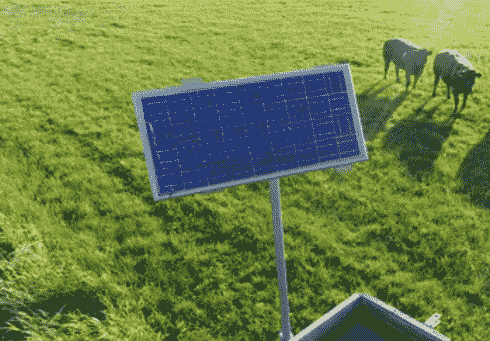
One of the most significant opportunities lies in energy access. Despite substantial progress in recent years, many communities across the continent still face limited access to reliable electricity. Expanding energy infrastructure is essential for industrial development, education, healthcare, and entrepreneurship. Renewable energy technologies such as solar, wind, hydroelectric, and geothermal power are helping bridge this gap while supporting climate objectives. Africa’s abundant renewable resources position the continent as a potential leader in the global clean energy transition.
Infrastructure development remains another key priority. Efficient transportation networks, modern ports, digital connectivity, water systems, and reliable power grids are critical for economic growth and regional integration. Sustainable infrastructure investments can improve productivity, attract investment, and create jobs while reducing environmental impacts. As urban populations continue to grow, resilient and sustainable infrastructure will play an increasingly important role in supporting development.
Agriculture is also central to Africa’s sustainable development agenda. The sector provides livelihoods for millions of people and contributes significantly to economic activity in many countries. Sustainable agricultural practices, improved irrigation systems, climate-smart farming techniques, and access to modern technology can help increase productivity while protecting natural resources. Strengthening food security remains essential for long-term social and economic stability.
Education and skills development are equally important. Africa has one of the youngest populations in the world, creating both opportunities and responsibilities. Investing in education, vocational training, and digital skills can empower young people to participate in emerging industries and drive innovation. A skilled workforce will be critical to supporting economic diversification and attracting investment across sectors.
Healthcare continues to be a fundamental component of sustainable development. Strong health systems improve quality of life, enhance workforce productivity, and contribute to overall economic resilience. Expanding access to healthcare services and investing in medical infrastructure remain priorities for many African nations.
Climate change presents both risks and opportunities. Many regions face challenges such as droughts, flooding, desertification, and changing weather patterns that affect agriculture, water resources, and livelihoods. At the same time, investments in climate adaptation, renewable energy, sustainable land management, and green technologies can create new economic opportunities while strengthening resilience.
The private sector is playing an increasingly important role in advancing sustainable development across Africa. Businesses are investing in renewable energy, sustainable supply chains, green infrastructure, and Environmental, Social, and Governance (ESG) initiatives. These efforts help drive innovation, improve competitiveness, and attract international capital.
Regional cooperation is also helping accelerate progress. Cross-border infrastructure projects, trade agreements, and collaborative development initiatives are strengthening economic integration and creating larger markets for investment and growth. Such partnerships are essential for addressing shared challenges and unlocking the continent’s full potential.
While challenges remain, Africa’s development story is increasingly one of innovation, resilience, and opportunity. By focusing on sustainability, countries across the continent can build stronger economies, improve living standards, and protect the natural resources that support future growth.
Sustainable development is not simply an environmental objective, it is a comprehensive strategy for creating lasting prosperity. For Africa, it represents a pathway toward inclusive growth, greater resilience, and a more sustainable future for generations to come.
Takeaway Point:
Sustainable development in Africa focuses on balancing economic growth, social progress, and environmental protection through investments in clean energy, infrastructure, agriculture, education, and climate resilience, creating a foundation for long-term prosperity.
Learn more on our website: https://www.leadventgrp.com/event/2nd-annual-esg-and-climate-africa-summit/register
For more information and group participation, contact us: [email protected]
Leadvent Group - Industry Leading Events for Business Leaders!
www.leadventgrp.com | [email protected]











Comment