

The Policy Engine: How Governments Are Accelerating EV Charging Deployment
The transition to electric vehicles (EVs) is no longer just a matter of automotive innovation; it is a race for infrastructure. As "range anxiety" remains a primary barrier for consumers, governments worldwide are shifting from passive support to aggressive intervention to accelerate charging deployment.
Financial Incentives and Direct Investment
The most immediate lever is the use of direct subsidies and tax credits. In the United States, the National Electric Vehicle Infrastructure (NEVI) Formula Program is deploying billions to create a seamless coast-to-coast network. Similarly, European Union member states are utilizing "Recovery and Resilience" funds to co-finance up to 50% of the installation costs for private operators. These incentives reduce the high upfront capital expenditure that often stalls commercial viability in low-traffic areas.
Mandates and "Right to Charge" Laws
Beyond funding, legislative frameworks are evolving to remove bureaucratic bottlenecks. Many jurisdictions have adopted "Right to Charge" laws, which prevent homeowners' associations or landlords from blocking the installation of chargers. Furthermore, updated building codes—particularly in regions like California and Norway—now require new residential and commercial developments to be "EV-ready," ensuring that the electrical backbone is pre-installed during construction.
Streamlining the Permitting Process
Historically, the time between a site's selection and its first charge has been delayed by complex permitting and grid connection queues. Governments are now implementing "Green Lanes" for EV infrastructure, standardizing permit applications, and requiring utilities to prioritize grid upgrades for high-speed charging hubs.
Public-Private Partnerships (PPPs)
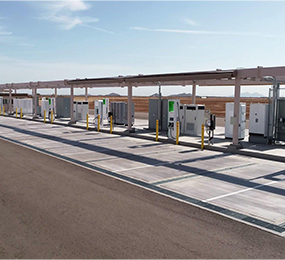
Governments are increasingly acting as "anchor tenants" or partners. By offering state-owned land—such as highway rest stops or municipal parking lots—for long-term leases, they provide the physical space necessary for rapid expansion. This de-risks the investment for private companies while ensuring that charging stations are distributed equitably, including in rural and underserved corridors.
Visit our website to know more: https://www.leadventgrp.com/events/4th-annual-ev-charging-infrastructure-forum/details
For more information and group participation, contact us: [email protected]
Leadvent Group - Industry Leading Events for Business Leaders!
www.leadventgrp.com| [email protected]







Comment