

The Rise of Regionalization and Its Impact on Resilience
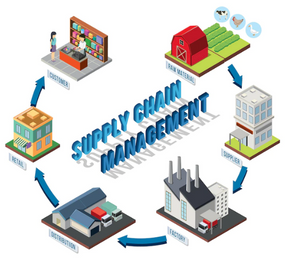
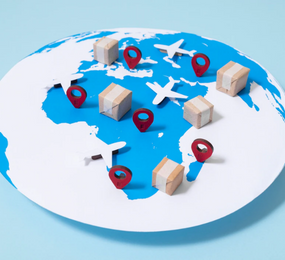
Hyper-globalization, the economic model of the past few decades, prioritized efficiency and cost-cutting, resulting in complex, multi-continent supply chains that relied heavily on single points of failure. Recent global shocks—from the COVID-19 pandemic and the Suez Canal blockage to escalating geopolitical tensions—have thoroughly exposed this structural fragility. In response, a major macroeconomic trend is accelerating: regionalization. This involves companies shifting manufacturing and sourcing closer to their end markets, a practice often called "nearshoring" or "friend-shoring."
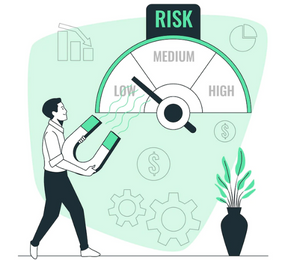
The primary impact of this pivot is enhanced resilience. Shorter supply routes are inherently less vulnerable to distant geopolitical conflicts, major maritime disruptions, or unexpected trade restrictions. By diversifying production across several clustered regional hubs instead of concentrating it in one global factory, companies effectively spread risk . This ensures that a disruption in one geographic area doesn't immediately halt global operations. This movement represents a strategic transition away from the vulnerable, inventory-averse "Just-in-Time" (JIT) delivery model towards a more robust, inventory-backed "Just-in-Case" approach, which guarantees the rapid availability of critical components during crises.
While the original goal of globalization was maximum efficiency, the driving force behind regionalization is maximum continuity and risk mitigation. This transition, though potentially leading to marginally higher labor or production costs compared to offshore options, provides invaluable operational stability. For essential sectors like pharmaceuticals, energy, and advanced manufacturing, having secure, predictable regional supply chains is now prioritized over achieving the absolute lowest unit cost. This fundamental strategic realignment makes both company operations and national economies far better equipped to absorb future global shocks.
Visit our website to know more: https://www.leadventgrp.com/events/3rd-annual-supply-chain-risk-and-resilience-forum/details
For more information and group participation, contact us: [email protected]
Leadvent Group - Industry Leading Events for Business Leaders!












Comment