

Harnessing the Wind: Powering a Cleaner and Sustainable Future
As the world accelerates its transition toward clean energy, wind power has emerged as one of the most reliable and scalable solutions. From towering onshore turbines to advanced offshore wind farms, this renewable source is reshaping how we produce electricity delivering cleaner power, new economic opportunities, and a tangible path toward net-zero emissions.
The Power of Wind
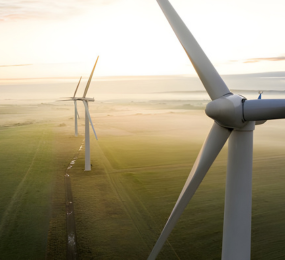
Wind energy harnesses the natural movement of air to generate electricity, a concept that has evolved from simple windmills to some of the most advanced engineering feats in modern times. Today, wind farms supply a significant portion of global electricity, helping reduce dependence on fossil fuels and cutting millions of tons of carbon emissions annually.
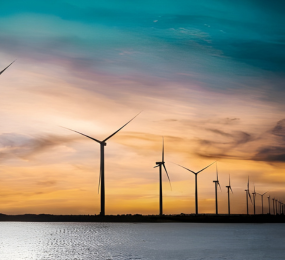
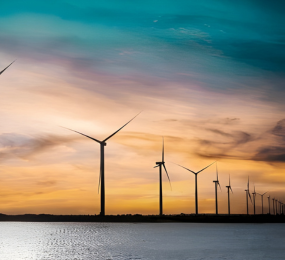
The rise of offshore wind projects has expanded the potential of wind power even further. Offshore turbines, often larger and more efficient, can capture stronger and steadier winds over the ocean, producing more consistent energy output. Europe currently leads in offshore developments, with regions like Asia and North America rapidly following suit.
Driving Economic and Environmental Benefits
Beyond its environmental advantages, wind power plays a crucial role in economic growth and job creation. The sector has become a global employer, supporting engineers, technicians, researchers, and local communities. Each new project contributes to regional development improving infrastructure, generating tax revenues, and supporting long-term sustainability goals.
Moreover, as turbine technology becomes more efficient and manufacturing costs decline, wind energy is increasingly competitive with traditional fossil fuels. This cost parity is driving broader adoption, especially in emerging markets where renewable energy is now seen as a key driver of resilience and energy independence.
Challenges and Innovations
While the progress is remarkable, challenges persist. Intermittency when the wind doesn’t blow remains a concern for grid reliability. However, advancements in energy storage, smart grids, and hybrid renewable systems are helping to bridge that gap. The integration of digital monitoring systems, data analytics, and predictive
maintenance also ensures that turbines operate efficiently and safely, extending their lifespan and maximizing energy yield.
Another growing focus is the sustainability of turbine materials, particularly in recycling and reusing wind blades. Efforts are underway globally to ensure that wind energy remains a truly circular industry from production to decommissioning.
A Future Fueled by Wind
Wind power is more than just an energy source, it’s a symbol of human ingenuity and commitment to a sustainable future. Every rotation of a turbine brings the world closer to cleaner air, reduced emissions, and a stable climate. As nations continue to invest in renewable infrastructure, wind power stands as one of the strongest pillars supporting global decarbonization efforts.
Takeaway Point: Wind power is not only reshaping the energy sector but also redefining the future of sustainability. With continued innovation, investment, and collaboration, it has the potential to become the backbone of a carbon-free global energy system powering progress while preserving the planet.
Learn more on our website: https://www.leadventgrp.com/event/7th-edition-windpower-data-and-digital-innovation-forum/register
For more information and group participation, contact us: [email protected]
Leadvent Group - Industry Leading Events for Business Leaders!
www.leadventgrp.com | [email protected]






Comment