

The Role of Biogas in Stabilizing Renewable Energy Grids
As the world transitions away from fossil fuels, the inherent volatility of wind and solar power has become a primary hurdle for grid operators. While these renewable sources provide clean energy, they are "intermittent"—the sun doesn’t always shine, and the wind doesn’t always blow. This is where biogas emerges as a critical, often overlooked stabilizer in the modern energy mix.
The Problem of Intermittency
Most renewable energy sources are non-dispatchable, meaning their output cannot be adjusted to meet real-time demand. This creates a "duck curve" effect, where energy production peaks during the day but drops off sharply just as consumer demand rises in the evening.
Biogas as a Dispatchable Solution
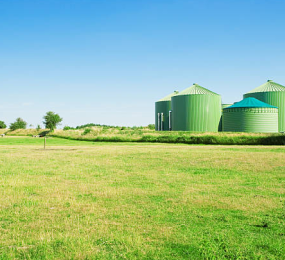
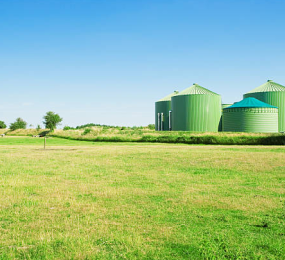
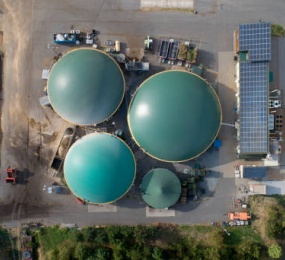
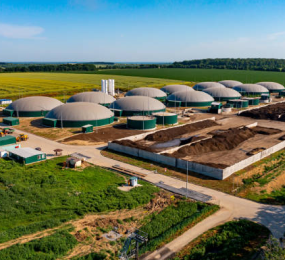
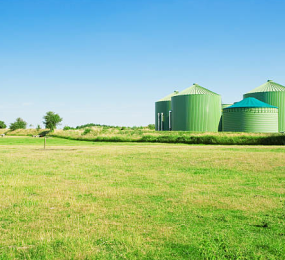
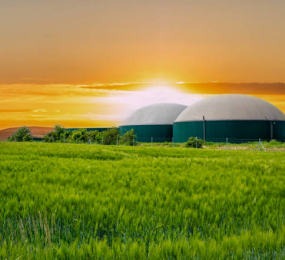
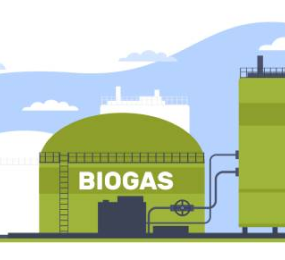
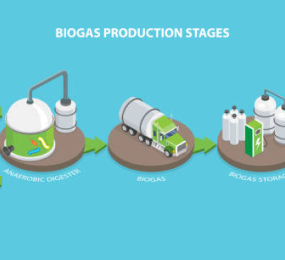
Unlike wind or solar, biogas—produced through the anaerobic digestion of organic waste—is dispatchable. It can be stored and burned in gas engines to produce electricity exactly when the grid needs it most. This "on-demand" capability allows biogas plants to act as flexible "peaking" plants, filling the gaps left by fluctuating solar and wind outputs.
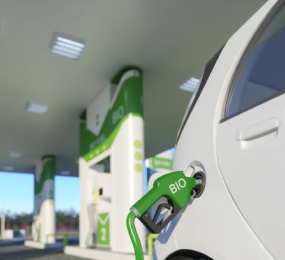
- Storage Potential: Biogas can be upgraded to biomethane and injected into existing natural gas infrastructure, effectively using the gas grid as a massive battery.
- System Services: Biogas plants provide essential ancillary services, such as frequency response and voltage control, which keep the grid stable and prevent blackouts.
A Circular Synergy
Beyond stabilization, biogas turns an environmental liability (organic waste) into a functional asset. By capturing methane that would otherwise escape from landfills or manure lagoons, biogas provides a dual climate benefit: reducing greenhouse gas emissions while simultaneously decarbonizing the electrical grid.
As we look toward a 100% renewable future, biogas serves as the reliable "bridge" that ensures the lights stay on when the weather refuses to cooperate.





Comment