

The Shift in Material Science: Bioplastics vs. Conventional Plastics
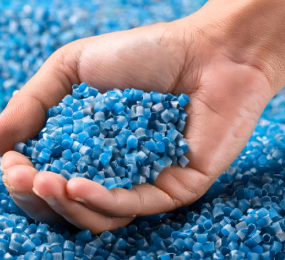
The global plastic crisis has reached a tipping point, forcing industries to re-evaluate the materials that define modern life. For decades, conventional plastics—derived from petroleum—have been the standard due to their incredible durability, low cost, and versatility. However, the environmental toll of these non-biodegradable polymers has paved the way for the rise of bioplastics.
Performance Metrics
In terms of pure mechanical performance, conventional plastics like Polyethylene (PE) and Polypropylene (PP) still hold a slight edge in high-stress industrial applications. Their chemical resistance and thermal stability are difficult to replicate. However, modern bioplastics, such as Polylactic Acid (PLA) and Polyhydroxyalkanoates (PHA), have bridged the gap. PLA is now widely used for 3D printing and food packaging because it offers high clarity and tensile strength. While some early bioplastics were criticized for being brittle, advancements in polymer blending have created "drop-in" bioplastics that can be used in existing manufacturing machinery without modification.
The Sustainability Debate
The core differentiator is the carbon lifecycle. Conventional plastics are part of a linear economy; they extract fossil fuels and, once discarded, can persist in ecosystems for centuries. Bioplastics are derived from renewable biomass like corn starch, sugarcane, or seaweed. This allows for a carbon-neutral potential, as the plants used to create the plastic absorb $CO_2$ during their growth.
However, sustainability is not just about origin; it is about "end-of-life." A common misconception is that all bioplastics are biodegradable. While some break down in industrial composting facilities, others are designed to be chemically identical to traditional plastics (bio-based PE) to facilitate recycling.
The Verdict
The transition is not about a total replacement but rather a strategic integration. For single-use items and packaging, bioplastics offer a clear path toward reducing plastic pollution. As production scales and costs decrease, the synergy of performance and planetary health will likely make bioplastics the definitive material of the next century.
Visit our website to know more: https://www.leadventgrp.com/events/circular-packaging-biopolymer-summit/details
For more information and group participation, contact us: [email protected]
Leadvent Group - Industry Leading Events for Business Leaders!
www.leadventgrp.com| [email protected]





Comment