

The Silent Revolution: Edge Computing in Power Grid Operations
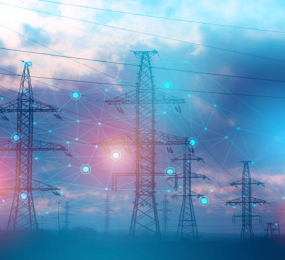
The traditional electrical grid is undergoing its most significant transformation since the days of Tesla and Edison. As we shift toward decentralized renewable energy and electric vehicles (EVs), the sheer volume of data generated at the "edge" of the network is overwhelming centralized control systems. Enter Edge Computing—the architectural shift that is making the smart grid truly intelligent.
Decentralizing Intelligence
In a traditional setup, data from sensors and smart meters is sent to a central cloud for analysis. However, this creates latency that the power grid simply cannot afford. When a fault occurs or a surge is detected, milliseconds matter. Edge computing places processing power physically closer to the data source—at substations, transformers, and even within smart meters.
Enhancing Reliability and Efficiency
The primary advantage of edge computing in grid operations is real-time responsiveness. By analyzing data locally, the system can:
- Self-Heal: Automatically reroute power during a localized outage without waiting for a command from a distant data center.
- Balance Load: Manage the intermittent nature of solar and wind energy by adjusting local storage and demand in real-time.
- Predictive Maintenance: Use AI at the edge to analyze vibration or temperature patterns in transformers, identifying potential failures before they cause a blackout.
Securing the Future
Beyond efficiency, edge computing enhances cybersecurity. By processing sensitive data locally, utilities reduce the amount of information traveling across the public internet, narrowing the "attack surface" for hackers.
As the world pushes toward "Net Zero," the grid must become more flexible. Edge computing provides the foundation for this flexibility, transforming the power grid from a rigid, one-way street into a dynamic, multi-directional ecosystem capable of powering the 21st century.






Comment