

Transforming Energy Systems: The Role of Digitalization and Automation in the Modern Power Grid
The power sector is entering a new era — one shaped by rapid electrification, renewable integration, and growing demand for real-time efficiency. At the center of this transformation lies power grid digitalization and automation, a movement that is redefining how electricity is generated, transmitted, and consumed across the world.
Traditional grids, built for one-way energy flow from centralized power plants to consumers, are giving way to intelligent, interconnected systems capable of managing diverse energy sources, variable demand, and complex data streams. The transition is essential to meeting global sustainability goals and ensuring long-term grid stability.
1. The Shift Toward Smart Grids
A digital power grid is more than an upgrade — it’s a complete redesign of how energy infrastructure functions. Smart grids use digital sensors, advanced communication networks, and automated control systems to monitor and optimize electricity flow in real time.
These technologies enable grid operators to detect faults instantly, balance supply and demand more efficiently, and integrate renewable sources such as wind and solar without compromising reliability. The result is a grid that is not only more resilient but also more responsive to the dynamic nature of modern energy systems.
2. Automation: The Foundation of Grid Efficiency
Automation plays a central role in strengthening grid operations. Through self-healing networks, automated switches, and predictive maintenance systems, utilities can minimize outages and reduce downtime.
For example, intelligent substations can automatically reroute electricity during faults, preventing widespread blackouts. Predictive algorithms can identify equipment likely to fail and schedule repairs before disruptions occur.
These advancements translate into improved service reliability, reduced operational costs, and enhanced safety — outcomes that benefit both utilities and consumers.
3. Data as the New Power Source
Digitalization has turned data into one of the most valuable assets in the energy sector. Smart meters, IoT sensors, and cloud-based platforms continuously collect vast amounts of operational data — from voltage fluctuations to energy consumption patterns.
By analyzing this data, utilities can forecast demand, detect inefficiencies, and plan future capacity needs with greater accuracy. Data-driven decision-making also enables personalized energy management for consumers, allowing them to monitor usage and participate in demand response programs that reward energy-saving behavior.
4. Integrating Renewables and Distributed Energy Resources
The growing share of renewable energy sources presents both opportunities and challenges for grid management. Unlike conventional generation, renewables are intermittent — their output depends on weather and environmental factors.
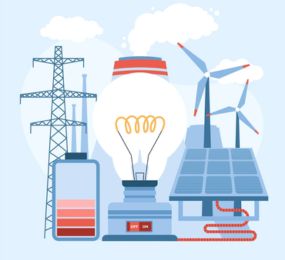
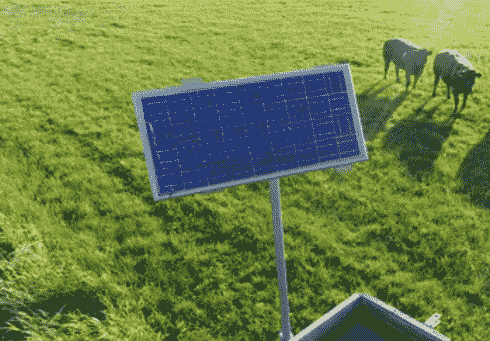
Digitalization and automation make it possible to integrate these variable sources seamlessly. Advanced forecasting tools, real-time monitoring, and energy storage systems help balance supply and demand. Additionally, distributed energy resources (DERs) such as rooftop solar panels and battery storage can now communicate directly with the grid, creating a more flexible and decentralized energy ecosystem.
5. Cybersecurity and Grid Protection
As grids become increasingly digital, cybersecurity has emerged as a critical priority. Automated systems and connected infrastructure can be vulnerable to cyberattacks that disrupt operations or compromise data integrity.
To address this risk, utilities are implementing multi-layered defense strategies — including secure communication protocols, continuous monitoring, and rapid incident response frameworks. Building cyber resilience ensures that digital transformation does not come at the expense of reliability and safety.
6. The Human Element and Industry Collaboration
While technology drives digitalization, its success depends on skilled professionals and cross-sector collaboration. Utilities, technology providers, policymakers, and academia must work together to develop standards, share best practices, and train a workforce equipped to manage next-generation energy systems.
Investing in digital literacy and data-driven operations will be essential for utilities to fully harness automation’s potential.
7. A Smarter, Greener Future
The digital and automated power grid represents the backbone of a sustainable energy future. By enabling real-time optimization, enhancing system reliability, and integrating clean energy sources, these innovations are reshaping how electricity is produced and delivered.
The journey toward digital transformation is ongoing — requiring investment, regulation, and collaboration — but its impact is already clear: a more efficient, resilient, and sustainable power system capable of meeting the needs of tomorrow’s world.








Comment