

Driving Africa’s Clean Transport Revolution: The Future of E-Mobility and Infrastructure
The global shift toward sustainable transport is reaching Africa, where the rapid growth of urbanization and rising energy demand are fueling a new movement — e-mobility. Across the continent, governments, private investors, and innovators are recognizing electric vehicles (EVs) as a key pathway to cleaner air, lower emissions, and reduced dependence on imported fossil fuels.
Yet, while the potential is vast, the transformation requires strong infrastructure, strategic planning, and collaboration across the energy and transport sectors.
1. The Growing Momentum for E-Mobility
Africa’s cities are among the fastest-growing in the world, leading to increased traffic congestion and air pollution. Electric mobility offers a cleaner alternative that aligns with national climate goals and global sustainability commitments.
Countries such as Kenya, Rwanda, Egypt, and South Africa are taking the lead with national e-mobility policies, tax incentives, and pilot programs for electric buses, motorcycles, and cars. Local startups are also reshaping the landscape, developing affordable electric two- and three-wheelers designed for African roads and powered by renewable energy.
This progress reflects not just a transportation shift but also an economic opportunity — the chance to build local manufacturing industries, create green jobs, and enhance energy independence.
2. Infrastructure: The Foundation of E-Mobility
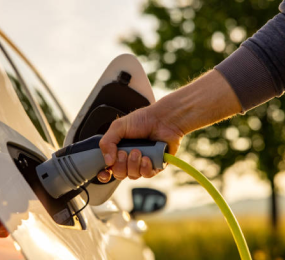
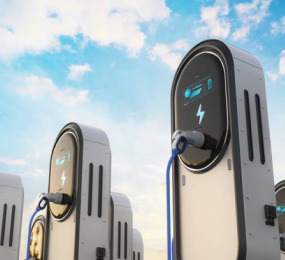
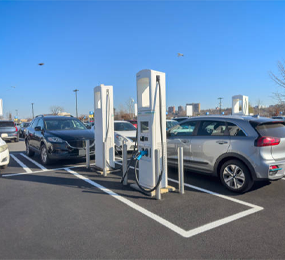
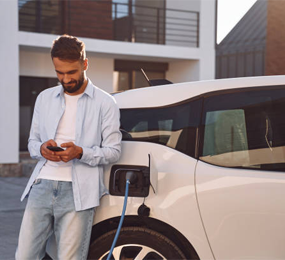
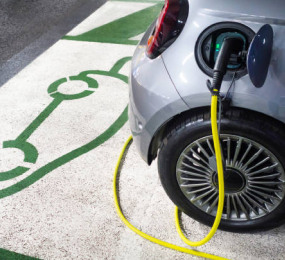
A successful e-mobility ecosystem depends on reliable and accessible charging infrastructure. Without it, EV adoption remains limited. Across Africa, developing a network of public and private charging stations is becoming a top priority.
Innovative models are emerging, including battery-swapping systems for motorcycles, mobile solar charging units, and community-based energy hubs that integrate EV charging with renewable power generation. These solutions are particularly effective in regions where grid access is limited or inconsistent.
Governments and utilities are also beginning to explore partnerships that link e-mobility to broader energy transition plans — ensuring that EV growth complements renewable energy expansion rather than straining existing grids.
3. Linking Clean Energy to Clean Transport
The success of electric mobility depends on the source of electricity. Charging EVs with renewable energy ensures that the shift truly reduces carbon emissions.
Many African countries possess abundant solar, wind, and hydropower potential, offering a unique opportunity to align e-mobility with clean energy generation. By integrating solar-powered charging stations and decentralized microgrids, cities can reduce both emissions and energy costs while improving reliability.
In rural areas, off-grid solar charging solutions are enabling electric mobility for logistics, agriculture, and last-mile delivery — improving livelihoods and connecting remote communities to markets.
4. Challenges and Opportunities Ahead
While e-mobility in Africa is advancing, challenges remain. Limited grid coverage, high import costs for EVs, and lack of standardized regulations can slow adoption. Financing also plays a crucial role, as many consumers and businesses require affordable payment models to switch from fuel-based transport.
However, opportunities continue to expand. Development finance institutions, climate funds, and private investors are increasingly supporting e-mobility startups and infrastructure projects. Regional collaboration, policy harmonization, and local assembly of EV components can further accelerate growth.
5. Building a Sustainable Transport Future
E-mobility represents more than a technological trend — it is a foundation for inclusive and sustainable development. Beyond reducing emissions, it can improve public health, lower transport costs, and stimulate innovation across multiple sectors.
By investing in infrastructure, policy frameworks, and workforce development, African nations can leapfrog traditional transport systems and move directly into a clean, connected, and resilient mobility era.
The transition is already underway — and with the right partnerships and commitment, Africa’s e-mobility future can drive both environmental progress and economic transformation.
Visit our website to know more: https://www.leadventgrp.com/events/e-mobility-and-infrastructure-africa-summit/details
For more information and group participation, contact us: [email protected]
Leadvent Group - Industry Leading Events for Business Leaders!










Comment