

Turning Waste into Energy: The Global Rise of Biogas and Biomethane
Across the world, the renewable energy transition is entering a new phase — one driven not only by wind and solar, but also by the energy hidden in everyday waste. Biogas and biomethane are emerging as essential contributors to a cleaner, more circular, and more secure energy future.
By converting agricultural residues, food waste, and organic by-products into valuable fuel, these technologies are helping countries reduce emissions, strengthen energy independence, and create new economic opportunities for local communities.
1. From Waste to Clean Energy
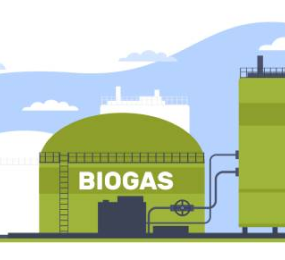
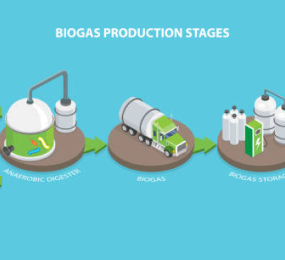
Biogas is produced through the anaerobic digestion of organic materials such as manure, crop residues, and municipal waste. This process generates a methane-rich gas that can be used directly for heating, electricity generation, or industrial processes.
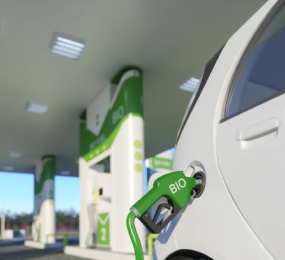
When upgraded to biomethane — a purified form of biogas with properties similar to natural gas — it can be injected into existing gas grids or used as a sustainable transport fuel. This ability to integrate with current infrastructure makes biomethane one of the most flexible renewable energy sources available today.
2. A Pillar of the Circular Economy
Unlike fossil fuels, biogas and biomethane are renewable and regenerative. They close the loop between waste and energy by turning discarded organic matter into useful resources.
The by-product of anaerobic digestion, known as digestate, can be used as a nutrient-rich organic fertilizer — replacing synthetic alternatives and improving soil health. This circular approach not only reduces emissions from waste management but also enhances food and energy security.
In rural areas, biogas systems are supporting sustainable farming practices, empowering farmers to generate their own energy while managing waste responsibly.
3. Driving Energy Security and Climate Goals
As nations seek alternatives to imported fossil fuels, biomethane offers a strategic advantage. It is locally produced, storable, and compatible with existing gas infrastructure, making it a practical pathway toward decarbonization without requiring full system replacement.
According to industry estimates, global biomethane production could offset up to 30% of natural gas demand in some regions by 2040. This potential places it at the heart of energy diversification strategies — providing both climate and economic benefits.
4. Technological and Policy Advancements
Recent progress in biogas upgrading technologies, feedstock management, and digital monitoring has improved efficiency and reduced production costs. Modular biogas plants and containerized systems are expanding access to smaller communities and industries, making distributed energy generation more achievable.
At the policy level, governments are introducing renewable gas mandates, carbon pricing mechanisms, and incentive programs to encourage investment in biomethane infrastructure. Partnerships between utilities, agricultural cooperatives, and technology providers are further accelerating project deployment.
5. The Road Ahead
The global biogas and biomethane sector stands at a critical turning point. Scaling production, standardizing quality, and improving grid integration will determine how far this renewable gas revolution can reach.
Future growth will depend on collaboration between policymakers, farmers, energy companies, and investors to ensure that biogas systems are both profitable and sustainable.
As the world continues to transition toward cleaner energy systems, biogas and biomethane are proving that renewable power doesn’t just come from wind or sunlight — it can also come from the everyday waste that surrounds us.
Visit our website to know more: https://www.leadventgrp.com/events/2nd-annual-biogas-biomethane-world-summit/details
For more information and group participation, contact us: [email protected]
Leadvent Group - Industry Leading Events for Business Leaders!





Comment