

V2G Technology: Transforming EV Charging Infrastructure
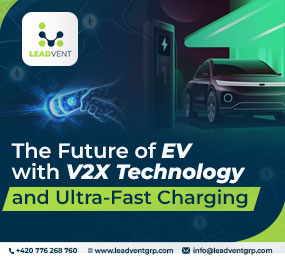
The perspective towards the charging infrastructure of electric vehicles is soon to be altered greatly, with the V2G technology at the forefront. The fantastic idea allows the EVs to behave like mobile power stations that both pull electricity and inject it back into the grid when demand arises. With the expansion of the market, the V2G technology will not only change but also connect the transportation and energy sectors in a new fashion through the EV charging infrastructure.
Understanding V2G Technology
With Vehicle-to-Grid technology, electric vehicles can send energy to and get energy from the power grid. Regular charging allows energy to flow one way from the grid into the vehicle. However, V2G allows electric vehicles to store energy in their batteries and to discharge it back to the grid when needed. Thus, EVs are no longer passive energy consumers but rather very active participants in the power grid.
The system uses special bidirectional chargers to control the movement of electricity in two directions. Electric cars recharge their batteries at night or during the day when the rates are low for electricity. During peak energy hours, the vehicles return the accumulated energy to the electrical grid. This helps stabilize the energy system and lets vehicle owners earn money.
The Rising Effect on EV Charging Systems
EV charging systems are evolving due to V2G technology. Analysts estimate the global V2G market will reach approximately four point six billion dollars by the year twenty thirty-three, with an average annualised growth rate of forty-seven percent beginning in two thousand twenty-four.
This fast expansion is sparking new ideas in several industries:
- Preparing for the Future: Developers are building new EV charging installations with bidirectional charging features. This approach helps keep investments useful as more car makers bring out vehicles that support V2G technology.
- Usage in Fleets: Utilities are running V2G pilot tests with electric school buses. These buses, with their big batteries, show how they can give strong support to the energy grid.
- Versatile Charging Spots: Offices and shopping centers learn that V2G-ready stations not only bring in customers but also earn money by joining demand response programs.
Reliable Grids and Financial Advantages
V2G technology has an important role in helping to stabilize power grids now that renewable energy is becoming a bigger part of energy production. Electric cars can store extra renewable energy when there is too much being produced and release it back to the grid when energy use is high. Research by UC Davis, using models from Lawrence Berkeley National Laboratory, indicates that electric vehicles equipped with managed charging (V1G) and vehicle-to-grid (V2G) features in California by 2025 could deliver grid services equivalent to 5 GW of stationary storage. This equates to $12.8 to $15.4 billion in value compared to traditional infrastructure.
To save on electricity or make money, EV owners can benefit from V2G systems. They can charge their vehicles when energy rates are low during off-peak hours and then sell some of that stored energy when prices rise during peak times. But there are still a few issues to solve.
- Cost of Equipment: V2G setups today have a price range of $6,000 to $10,000 plus the installation cost, while standard Level 2 chargers have a price range of $500 to $1,500.
- Regulatory Progress: There is a need for the industry to set up common tariffs for the management of bidirectional charging and to work out the compensation in a straightforward manner.
Though these challenges exist, Maryland is leading the way as the first state in the U.S. to require utilities to allow bidirectional EV connections. This move could shape how future policies develop.
Moving Ahead in the Future
As V2G technology advances, it will speed up its role in EV charging infrastructure. Developing DC bidirectional charging presents a promising solution to reduce costs and simplify the installation of EV chargers. For the V2G technology to fully bring in place the respective business model, cooperation between the automakers, utilities, power providers, and regulatory bodies is essential.
By 2030, experts predict there could be 250 million electric vehicles worldwide. Their combined battery power might handle big chunks of short-term energy storage needs, reshaping how transportation and energy systems work.
Be Part of the Discussion at Leadvent Group's EV Charging Infrastructure Forum
V2G technology is immensely changing and recharging infrastructure along with other things, thus making it very important to be aware of the recent innovations and trends. Leadvent Group will conduct its 4th Annual EV Charging Infrastructure Forum on February 25-26, 2026, in Munich, Germany. This event gathers experts leading these innovations.
Here’s What You’ll Find:
- 150+ Industry Experts, like utility firms, policymakers, and charging infrastructure developers
- 25+ CEOs and Executives offering real-world experiences on V2G adoption
- 20+ Hours to learn, connect, and share ideas with others
- Innovative Discussions about Vehicle-to-Grid technology and faster charging solutions
If you work in EV charging installation, infrastructure setup, or grid management, this forum offers insights and networking opportunities to help you navigate the changing industry.
Frequently Asked Questions (FAQs)
1.What does Vehicle-to-Grid (V2G) technology mean?
Vehicle-to-Grid, also known as V2G, permits electric cars to receive energy from the power grid and return it with the help of two-way charging. This technology converts EVs into movable energy storage units that help to meet the energy requirements of the grid and possibly allow the owners to earn money during this process.
2.How does V2G affect the growth of EV charging stations?
V2G motivates the developers to create the charging stations with the ability to charge dual. This not only increases the value of the charging points but also transforms them into a source of convenience for travel and a reliable energy supply for the grid.
3.Can EV owners save money by using V2G?
Yes, they can. Owners charge batteries when electricity costs less during off-peak times, then send it back when demand is high, and prices climb. Some utility companies also run programs that pay drivers for providing their vehicle batteries to help the energy grid.
4.What difficulties stand in the way of making V2G used?
A: Major challenges involve the high price of two-way charging gear, a lack of uniform rules, and not many V2G-compatible vehicles being available. But people are working on these issues with better tech and new policies to solve them over time.





Comment