

Ports and Grids: The Real Test for Europe's Floating Wind Future
Europe has bold ambitions for wind energy at sea. Targets stretch to 300 GW of capacity by 2050. Developer interest is real. And yet, two unglamorous problems quietly threaten the entire enterprise: the ports where these machines must be built, and the grids that must carry their power ashore.
This is not a technology problem. The turbines work. The floating foundations work. The issue is everything that happens before and after the turbine spins.
Assembling Giants Requires More Than Ambition
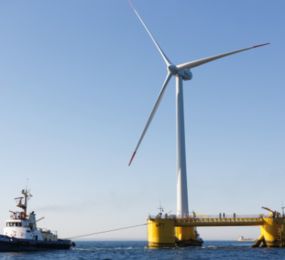
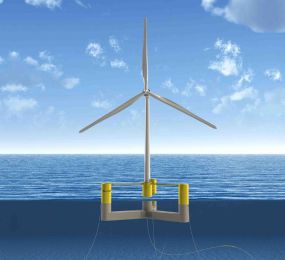
Picture a floating wind turbine at commercial scale. It stands taller than the Eiffel Tower, sits on a platform the size of a football pitch, and is moored in waters over 60 metres deep. Before any of that reaches the ocean, every component passes through a port.
Here is where the numbers get uncomfortable:
- A concrete foundation requires a ground-bearing capacity of around 50 tonnes per square metre.
- A steel floater weighs roughly 4,000 tonnes and needs an assembly area of at least 120m x 120m.
- Handling clearance pushes the total footprint to nearly 20 hectares per unit.
Scale that to a 50-turbine wind farm, and you are asking a port to operate like a small industrial city.
Ports are the backbone of Europe's offshore wind ambitions. All equipment moves through their quaysides. They serve as bases for operations and maintenance. Yet a Westwood Global Energy Group survey found that 50% of floating wind stakeholders cite port infrastructure as one of the sector's most significant hurdles — ranking alongside technology standardisation and manufacturing capacity.
Over the past three years, €6.7 billion has gone into port infrastructure and new vessels across Europe. Another €6.4 billion is still needed. The gap is not trivial.
Some Ports Are Moving — But Not Fast Enough
There are bright spots. In the UK, the Port of Cromarty Firth received over £55 million from the government's Floating Offshore Wind Manufacturing Investment Scheme in March 2025. In France, Port-La-Nouvelle raised €340 million to transform into a construction hub for floating wind farms.
But isolated port upgrades are not a strategy. What still divides European ports:
- Permitting rules and seabed leasing processes differ across jurisdictions.
- Floating wind designs continue to diverge, limiting standardisation.
- Without long-term volume guarantees, ports cannot justify large-scale investment.
The "Port Integrator" model — designating specific ports as full-assembly hubs — is gaining traction. Adopting it at scale requires political will, not just engineering ambition.
The Grid Problem Is Bigger Than the Headlines Suggest
Getting turbines into the water is one challenge. Getting their electricity ashore is another.
Grids are the single biggest bottleneck to wind energy deployment across Europe. The continent needs to invest €584 billion by 2030 to upgrade grid infrastructure. In 2025, Europe connected just 2 gigawatts of new offshore wind capacity to the grid — the lowest figure since 2016. Only three countries managed it: the UK, Germany, and France.
For floating wind specifically, the challenge grows with distance. These projects sit further from shore and require:
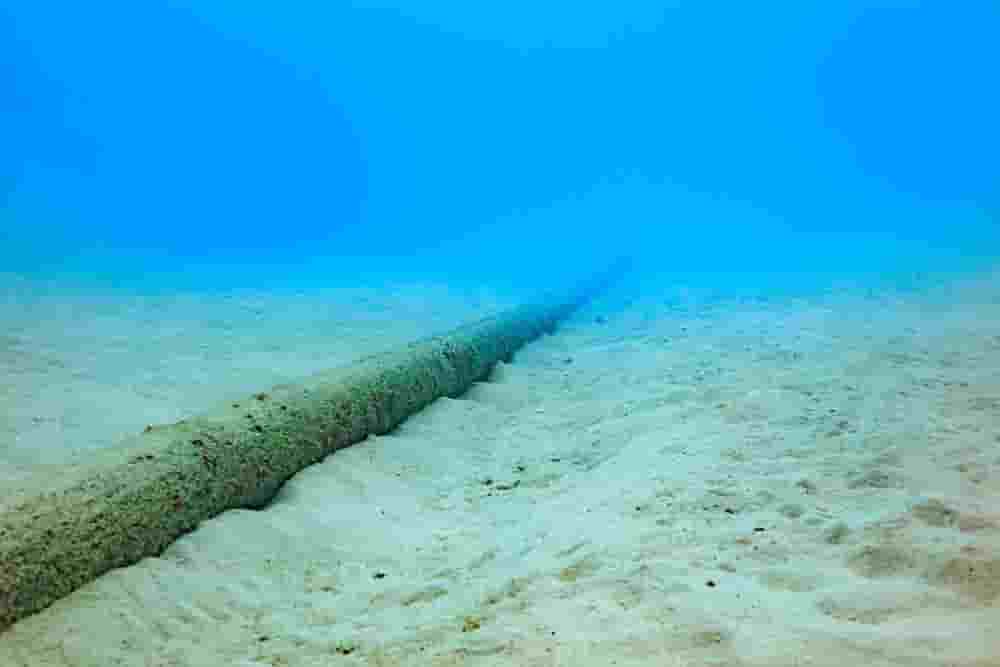
- Longer subsea export cables
- Offshore substations built for high loads
- HVDC transmission for efficient long-distance power transfer
HVDC converter platforms and cable factories are already sold out years ahead. The supply constraint is real.
Floating wind projects cannot solve every technical problem, only to find there is nowhere to send the electricity when it finally flows.
The Cost of Waiting
The commercial stakes are mounting. In January 2026, the Blyth 2 floating wind project was cancelled — not for technical reasons, but because it could not secure a viable route to market. Infrastructure unreadiness is now a commercial risk.
The priorities need to shift:
- Infrastructure investment must come before project investment.
- Grid and port upgrades sit on the critical path and need early de-risking.
- Supply chains need visible demand to justify expansion.
- Financing follows projects with technical readiness and predictable economics.
Europe must install at least 10 GW of offshore wind per year to meet its 2030 targets. After 2030, that rises to 15 GW annually. Port and grid readiness is not a downstream concern. It is the precondition for everything else.
Where the Industry Needs to Meet
Leadvent Group's 6th Annual Floating Wind Europe takes place on 23–24 June 2026 in London. It brings together 150+ pre-qualified experts from across the floating wind value chain to address the infrastructure, investment, and policy decisions that will shape the sector's commercial future.
This floating wind conference brings together the people who need to be in the same room:
- Port planners and infrastructure investors
- Grid developers and transmission specialists
- Project developers and financiers
- Policymakers and regulatory experts
Leadvent Group is one of the world's leading B2B event management companies, known for delivering focused, high-quality industry forums. For professionals at the intersection of offshore wind ambition and infrastructure reality, this is where decisions get made.
Register now for the 6th Annual Floating Wind Europe and be part of the conversations shaping Europe's energy future.
FAQs
- Why are ports such a critical bottleneck for floating wind deployment in Europe?
Floating wind foundations are assembled onshore before being towed to sea. Ports need heavy-lift infrastructure, laydown areas of up to 20 hectares, high ground-bearing capacity, and deep-water access. Most European ports were not built to these specifications, and upgrading them requires capital well before projects reach a final investment decision.
- What does "grid readiness" mean for floating wind projects?
Grid readiness means whether transmission infrastructure can absorb and distribute the power a floating wind farm generates. These projects need longer subsea cables, offshore substations, and HVDC transmission links. Without grid connection capacity, a project can be technically complete and commercially stranded at the same time.
- How much investment is still needed in European port and grid infrastructure?
Europe needs to invest approximately €584 billion in grid infrastructure by 2030, according to WindEurope. While €6.7 billion has gone into port infrastructure and vessels over the past three years, another €6.4 billion is still required – both are prerequisites for meeting Europe's renewable energy targets.
- Who should attend the 6th Annual Floating Wind Europe in London?
The event suits senior professionals across the offshore wind value chain — project developers, port authorities, grid operators, transmission specialists, financial institutions, policy experts, and technology suppliers. If your work shapes the infrastructure, finance, or policy decisions driving floating wind in Europe, this event is built for you.








Comment