

Offshore Wind and Maritime Decarbonization: Advancing a Cleaner Maritime Future
The maritime sector plays a crucial role in global trade, carrying more than 80 percent of the world’s goods across oceans. While shipping remains one of the most efficient methods of transporting large volumes of cargo, it also contributes significantly to global greenhouse gas emissions. As governments and industry leaders seek solutions to reduce environmental impact, offshore wind energy is emerging as an important partner in the effort to decarbonize maritime operations.
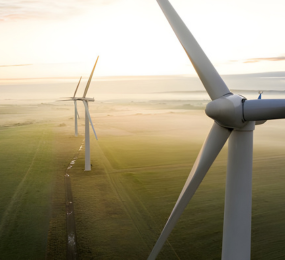
Offshore wind farms, built in coastal and open sea environments, harness powerful and consistent ocean winds to generate large amounts of renewable electricity. Over the past decade, offshore wind capacity has expanded rapidly, particularly across Europe and Asia. These projects are helping diversify energy supplies while supporting long-term climate goals.
One of the key connections between offshore wind and maritime decarbonization lies in the production of clean fuels. Renewable electricity generated by offshore wind can be used to produce green hydrogen through electrolysis. This hydrogen can then serve as a building block for alternative marine fuels such as green ammonia or synthetic fuels. These fuels are being explored as low-carbon options for powering ships in the future.
Shipping companies are increasingly investigating these alternatives as part of broader sustainability strategies. Traditional marine fuels derived from fossil sources release large amounts of carbon dioxide and other pollutants. By transitioning to fuels produced using renewable electricity, the maritime industry can significantly reduce its carbon footprint while maintaining the efficiency of global shipping networks.
Offshore wind projects also create opportunities for ports and coastal regions to become energy hubs. Ports can integrate renewable energy infrastructure, hydrogen production facilities, and fuel storage systems to support cleaner maritime operations. This transformation not only supports decarbonization but also drives economic growth in coastal communities through new industries and job creation.
Another important aspect of maritime decarbonization is electrification within port operations. Renewable electricity from offshore wind farms can power port equipment, cranes, and shore-side electricity systems. Shore power allows vessels to turn off their engines while docked, reducing emissions and improving air quality in busy port areas.
The development of offshore wind infrastructure also benefits from the expertise of the maritime sector itself. Shipbuilders, marine engineers, and offshore construction specialists play key roles in installing and maintaining wind turbines at sea. This collaboration between the renewable energy and maritime industries strengthens the broader ocean economy while supporting sustainable innovation.
Despite the clear benefits, challenges remain. Offshore wind projects require significant investment, advanced engineering, and careful environmental planning to protect marine ecosystems. Similarly, the widespread adoption of alternative marine fuels will depend on infrastructure development, technological progress, and international cooperation.
Nevertheless, momentum continues to grow. Governments, energy companies, and shipping operators are increasingly working together to accelerate both offshore wind expansion and maritime decarbonization strategies. These combined efforts reflect a shared recognition that the future of shipping must align with global climate goals.
As renewable energy production expands across the world’s oceans, offshore wind is positioned to play a central role in transforming how maritime industries power their operations. By connecting clean electricity with sustainable fuel development, offshore wind offers a promising pathway toward a more environmentally responsible shipping sector.
Takeaway Point: Offshore wind energy supports maritime decarbonization by providing renewable electricity for clean fuel production, enabling greener port operations, and helping the global shipping industry transition toward more sustainable energy solutions.
Learn more on our website: https://www.leadventgrp.com/event/5th-annual-offshore-wind-operations-and-maintenance-forum/register
For more information and group participation, contact us: [email protected]
Leadvent Group - Industry Leading Events for Business Leaders!
www.leadventgrp.com | [email protected]





Comment