

The High Stakes of Connectivity: Reliability and Uptime Challenges in Public Charging Networks
As the transition to electric vehicles (EVs) accelerates, the spotlight has shifted from the quantity of charging stations to the quality of their performance. Reliability and "uptime"—the percentage of time a charger is fully operational—have become the most significant hurdles in maintaining consumer confidence in e-mobility.
The Hardware-Software Nexus
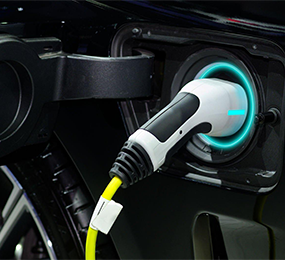
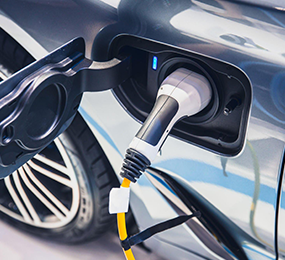
Unlike traditional fuel pumps, EV chargers are complex IoT (Internet of Things) devices. Reliability issues often stem from the handshake between the vehicle’s onboard software and the charger’s firmware. Incompatibility or communication timeouts can lead to "ghost" failures where a charger appears functional on an app but fails to deliver power upon arrival. Furthermore, the physical components—specifically liquid-cooled cables and heavy-duty connectors—are prone to wear and tear in harsh outdoor environments, leading to mechanical failures that require specialized technicians to repair.
Maintenance and the "Tragedy of the Commons"
Vandalism, cable theft for copper, and general lack of maintenance pose severe uptime risks. Many networks operate on a decentralized model where the site host (like a shopping mall or grocery store) is responsible for upkeep rather than the charging provider. This fragmented responsibility often leads to delayed repair times. To combat this, industry leaders are moving toward "uptime guarantees" and automated diagnostic systems that alert operators to failures in real-time, often allowing for remote resets that resolve software glitches without a site visit.
Moving Toward 99% Uptime
Achieving the "gold standard" of 99% uptime requires a shift toward standardized communication protocols, such as OCPP (Open Charge Point Protocol), and more rigorous hardware testing. As government subsidies become increasingly tied to performance metrics, the industry is incentivized to treat charging as critical infrastructure rather than a secondary amenity.
In conclusion, the success of the EV revolution hinges on a dependable charging experience. Bridging the gap between a broken plug and a seamless charge is the next great frontier for the automotive industry.
Visit our website to know more: https://www.leadventgrp.com/events/4th-annual-ev-charging-infrastructure-forum/details
For more information and group participation, contact us: [email protected]
Leadvent Group - Industry Leading Events for Business Leaders!





Comment