

Navigating the Depths: Challenges and Solutions in Deepwater Subsea Cable Installation
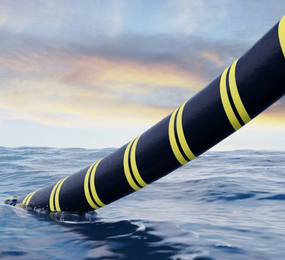
As the global demand for high-speed data and offshore renewable energy surges, the installation of subsea cables has moved into increasingly deeper and more hostile environments. Deploying cables at depths exceeding 2,000 meters presents a unique set of engineering hurdles that demand innovative solutions to ensure long-term structural integrity and connectivity.
The Challenge: Extreme Pressure and Mechanical Stress
The primary challenge in deepwater installation is the combination of hydrostatic pressure and extreme tensile stress. As a cable is lowered from a vessel, its own weight creates immense tension at the top of the water column. In the deep sea, water pressure can reach several hundred bars, which can compress insulation materials and cause "hydrogen darkening" in fiber optics, leading to signal degradation. Furthermore, the rugged topography of the ocean floor—featuring underwater canyons and volcanic ridges—risks "suspensions" where the cable hangs unsupported, making it vulnerable to vortex-induced vibrations and eventual fatigue failure.
The Solution: Advanced Materials and Precision Engineering
To combat these forces, engineers have developed high-tensile "armored" cables utilizing lightweight aramid fibers instead of heavy steel, reducing the deployment weight. To address the pressure, specialized pressure-balanced oil-filled (PBOF) housings are used for repeaters and joints.
Modern installation also relies heavily on Remotely Operated Vehicles (ROVs) and Autonomous Underwater Vehicles (AUVs). These units perform high-resolution pre-lay seafloor mapping to identify the "least-hazard" path. During deployment, sophisticated tension-control systems on "cable ships" use real-time data to adjust the payout speed, ensuring the cable follows the contours of the seabed without excessive slack or dangerous tension.
Strategic Protection
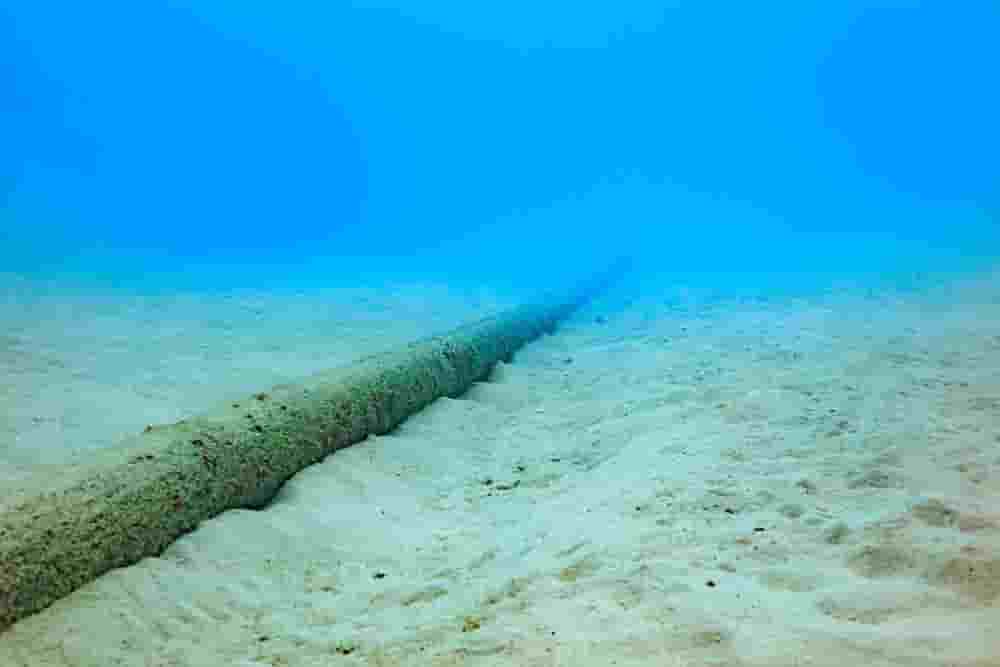
In areas where the seabed is soft, "deep-sea plows" are used to bury cables, protecting them from bottom-trawling fishing gear and anchors. In ultra-deep zones where burial is impossible, heavy-duty basalt or cast-iron shells are applied. By combining these material advancements with robotic precision, the industry continues to push the boundaries of global connectivity.
Visit our website to know more: https://www.leadventgrp.com/events/6th-annual-subsea-cable-installation-asset-management-reliability-forum/details
For more information and group participation, contact us: [email protected]
Leadvent Group - Industry Leading Events for Business Leaders!
www.leadventgrp.com| [email protected]



Comment