

Alternative Marine Fuels: Navigating the Future of Sustainable Shipping
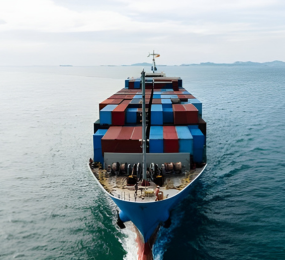
The global shipping industry is the backbone of international trade, transporting goods across oceans and connecting economies around the world. However, maritime transport is also a significant source of greenhouse gas emissions, contributing to climate change and environmental concerns. As pressure grows to reduce the sector's carbon footprint, alternative marine fuels are emerging as a key solution in the transition toward greener and more sustainable shipping.
For decades, ships have relied primarily on heavy fuel oil and marine diesel to power their operations. While these fuels have supported the growth of global trade, they also generate substantial carbon dioxide, sulfur oxides, and other harmful emissions. With increasingly strict environmental regulations and ambitious decarbonisation targets, shipping companies are now exploring cleaner fuel alternatives that can support both operational efficiency and sustainability goals.
One of the leading alternatives gaining attention is green methanol. Produced from renewable sources such as green hydrogen and captured carbon dioxide, green methanol offers lower lifecycle emissions compared to conventional marine fuels. It can also be stored and transported relatively easily, making it an attractive option for shipowners seeking practical decarbonisation pathways.
Green ammonia is another promising marine fuel. Produced by combining green hydrogen with nitrogen extracted from the atmosphere, ammonia contains no carbon and therefore does not emit carbon dioxide during combustion. As a result, many industry experts view ammonia as a potential long-term solution for deep-sea shipping and other energy-intensive maritime applications.
Biofuels are also playing an important role in the industry's transition. Derived from sustainable feedstocks such as agricultural waste, used cooking oil, and organic residues, marine biofuels can often be blended with existing fuels and used in current ship engines with minimal modifications. This makes them a practical near-term solution for reducing emissions while larger-scale infrastructure for newer fuels continues to develop.
Hydrogen is attracting growing interest as a zero-emission energy source. When used in fuel cells, hydrogen generates electricity while producing only water as a byproduct. Although challenges related to storage, transportation, and infrastructure remain, hydrogen has significant potential for certain maritime applications, particularly short-distance and coastal vessels.
Liquefied Natural Gas (LNG) has also been adopted by some shipping operators as a transitional fuel. While LNG still produces carbon emissions, it generally generates lower sulfur emissions and reduced particulate pollution compared to traditional marine fuels. However, many industry stakeholders recognize that achieving long-term climate goals will require a shift toward fully renewable fuel solutions.
The successful adoption of alternative marine fuels depends on more than fuel production alone. Port infrastructure, fuel storage facilities, bunkering networks, and vessel design all play critical roles in supporting the industry's transformation. Significant investment is being directed toward developing the infrastructure needed to accommodate new fuel technologies and ensure reliable supply chains.
Technology and innovation continue to accelerate progress. Engine manufacturers are developing vessels capable of operating on multiple fuel types, while digital solutions are helping optimize fuel consumption and improve operational efficiency. These advancements are supporting the industry's broader sustainability objectives.
Despite growing momentum, challenges remain. Alternative fuels often involve higher production costs than conventional fuels, and global supply remains limited. Scaling production and reducing costs will require collaboration between governments, fuel producers, shipping companies, investors, and technology providers.
Regulatory support is also proving essential. International maritime organizations and national governments are implementing policies and emissions targets that encourage investment in cleaner shipping technologies and alternative fuels.
As the maritime sector moves toward a low-carbon future, alternative marine fuels will play an increasingly important role in reducing emissions while maintaining global trade and economic connectivity. While no single fuel is likely to provide a complete solution, a combination of technologies and energy sources will help create a cleaner and more resilient shipping industry.
The transition is already underway, and alternative marine fuels are helping chart a new course for sustainable maritime transport.
Takeaway Point:
Alternative marine fuels such as green methanol, green ammonia, hydrogen, and biofuels are helping the shipping industry reduce emissions and move toward a more sustainable future while supporting global trade and economic growth.
For more information and group participation, contact us: [email protected]
Leadvent Group - Industry Leading Events for Business Leaders!
www.leadventgrp.com | [email protected]












Comment